





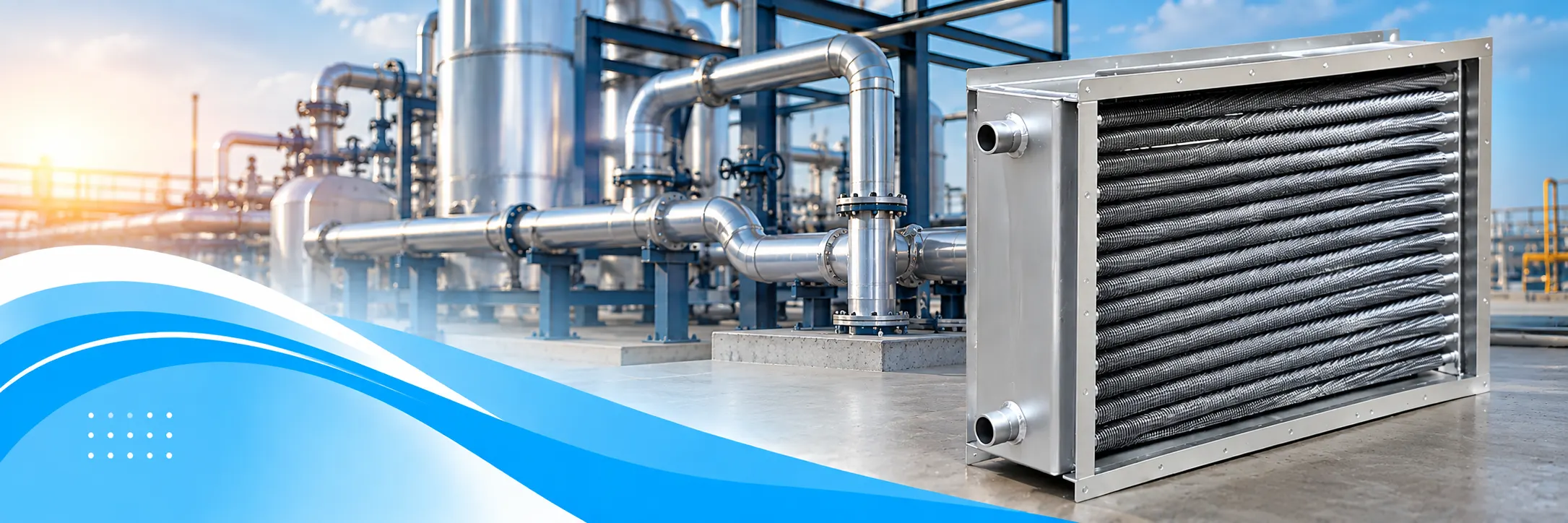
An Oil Heat Exchanger transfers thermal energy between oil and another medium through a heat-transfer surface. Depending on the system design, it may be used to heat or cool a process fluid, regulate operating temperature or support a wider industrial thermal process.
Selecting suitable equipment requires an understanding of the oil properties, required heat-transfer duty, operating temperature, pressure and process conditions. These factors should be assessed before choosing a particular exchanger design.
What Is an Oil Heat Exchanger?
An oil heat exchanger is equipment designed to transfer heat between oil and another fluid without necessarily mixing the two streams. The fluids may flow through separate passages divided by a heat-transfer surface.
The equipment configuration depends on the application. Some systems use oil as the heated or cooled process fluid, while others use thermal oil to carry heat from a heating source to connected equipment.
These arrangements have different requirements. Confirm the intended function of the exchanger before selecting a model.
How Does Oil Heat Transfer Work?
Heat moves from the warmer fluid through the exchanger’s heat-transfer surface to the cooler fluid. The amount of heat transferred depends on the temperature difference, flow rates, fluid properties, available surface area and resistance to heat transfer.
Oil viscosity can vary with temperature, which may affect flow and pumping requirements. Deposits, unsuitable operating conditions or fluid degradation can also influence system performance.
For this reason, the exchanger should be selected according to the actual fluid properties and operating conditions rather than the product name alone.
Common Industrial Applications
1. Process Temperature Control
Some industrial processes require oil or another fluid to be heated or cooled to a specified temperature. An appropriate heat exchanger can support this requirement when its design matches the process duty.
2. Thermal Oil Systems
Certain installations circulate thermal oil to transfer heat to process equipment. The exchanger’s compatibility with the oil, temperature range and circulation arrangement should be confirmed during system design.
3. Industrial Machinery and Processing
Heat exchangers may be used in suitable industrial systems where fluid temperature affects equipment operation or product processing. The required arrangement depends on the machinery and the process requirements.
These are general application examples. Suitability depends on the equipment design, fluid characteristics and intended operating conditions.
Factors to Consider When Selecting an Oil Heat Exchanger
Oil Type and Fluid Compatibility
Identify the exact oil or thermal fluid used in the system. Review its viscosity, temperature limits, compatibility with construction materials and relevant safety information.
Heat-Transfer Requirement
Determine the required heating or cooling duty. The calculation should account for fluid flow rates, inlet temperatures, target outlet temperatures and the properties of the fluids involved.
Operating Temperature and Pressure
Confirm the normal operating range and any relevant startup or shutdown conditions. The exchanger must be suitable for the specified pressure and temperature limits.
Materials of Construction
Construction materials should be compatible with both fluids and the operating environment. Corrosion risks, fluid chemistry and manufacturer specifications should be considered before finalising the design.
Maintenance and Inspection
Ask about inspection access, cleaning procedures, leakage checks and recommended maintenance intervals. The maintenance plan should reflect the fluid properties and the conditions in which the exchanger operates.
Oil Heat Exchanger vs Other Heat-Transfer Equipment
Different heat-transfer systems are designed for different applications. An oil heat exchanger transfers heat involving oil, while a steam-based exchanger uses steam as its heating medium. Their suitability depends on the required process temperature, utilities, fluid characteristics and overall system design.
For steam-based applications, a suitable steam heat exchanger may be worth evaluating. Where a process requires a different heat-transfer arrangement, an industrial heat exchanger may also be relevant, depending on its specifications.
For systems that use circulating thermal oil as a heat source, an industrial thermic fluid heater may form part of the wider installation. The heater and exchanger perform different functions and should be selected as compatible parts of the complete system.
Where the process requires heat removal, an industrial cooling coil may also be considered if its design matches the application.
Maintaining Oil Heat Exchanger Performance
Follow the equipment manufacturer’s instructions for inspection, cleaning and maintenance. Monitor operating temperatures, flow conditions and other performance indicators specified for the system.
Changes in performance, leakage, unusual pressure conditions or signs of fluid degradation should be investigated by qualified personnel. Cleaning methods and replacement components must be compatible with the exchanger’s materials and design.
Before maintenance, follow approved isolation procedures and the applicable workplace safety requirements. Do not operate the equipment outside its documented limits.
Choosing the Right Oil Heat Exchanger
Before requesting a quotation, prepare details about the oil type, flow rate, required heat duty, inlet and outlet temperatures, operating pressure and installation conditions.
Ask the supplier to confirm the equipment design, materials, operating limits, maintenance requirements and compatibility with the existing system. Avoid selecting an exchanger based only on its name or general size.
SG Industries MFG provides industrial equipment for process applications. Contact the company to confirm the availability and technical specifications of a suitable oil heat exchanger for your requirements.
The right exchanger should meet the required heat-transfer duty, remain compatible with the process fluids and operate within its documented design limits.



 Users Today : 0
 Users This Month : 33
 Total Users : 95