





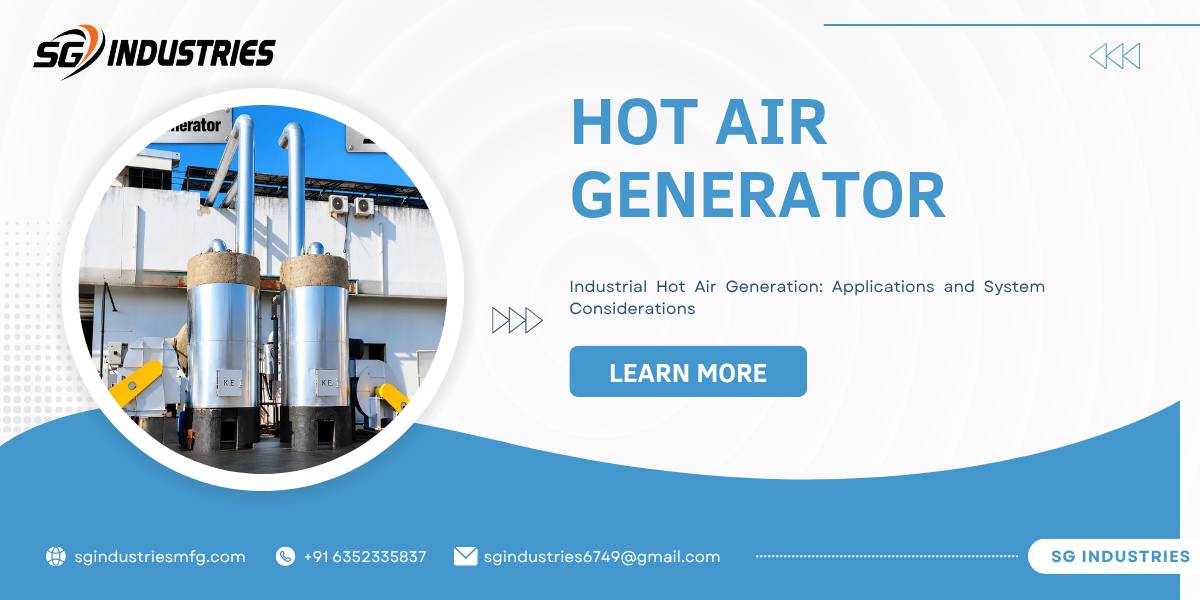
Hot air is used in many industrial processes where controlled heating or drying is required. From supporting material drying to providing heat for production operations, hot air systems form an important part of various manufacturing workflows. Understanding the application helps businesses choose equipment that suits their process.
An Industrial Hot Air Generator is designed to provide hot air for process requirements. Before selecting equipment, manufacturers should review the material being processed, the required operating conditions and how the system will integrate with the plant layout.
What Is Industrial Hot Air Generation?
Industrial hot air generation involves producing heated air for use in a manufacturing or processing operation. The generated air is directed toward an application where heat is required, such as drying, warming or supporting a production process.
The equipment and system arrangement depend on the application. Businesses should identify the purpose of hot air, the process conditions and the operating requirements before deciding on a suitable setup.
Applications of Hot Air Systems
Hot air may be used in different industrial processes where heating or moisture removal is part of the workflow. Typical application areas can include:
- Industrial material drying processes
- Heating requirements in manufacturing operations
- Food processing and related production workflows
- Textile processing applications
- Process operations that require a hot air supply
The specific application determines the system requirements. For example, a drying process may need different operating conditions from a process that uses hot air for general heating.
Key Factors to Consider When Selecting a Hot Air Generator
When evaluating an Industrial Hot Air Generator, manufacturers should consider the following factors:
- Application: Define whether the system will be used for drying, heating or another process requirement.
- Material characteristics: Identify the material being processed and any relevant temperature sensitivity.
- Process requirements: Clarify the required operating conditions and production workflow.
- Installation layout: Review available space, airflow routing and equipment placement.
- System integration: Consider how the hot air supply connects with existing machinery.
- Maintenance access: Ensure the planned setup allows routine inspection and servicing.
Hot Air Generation in Drying Processes
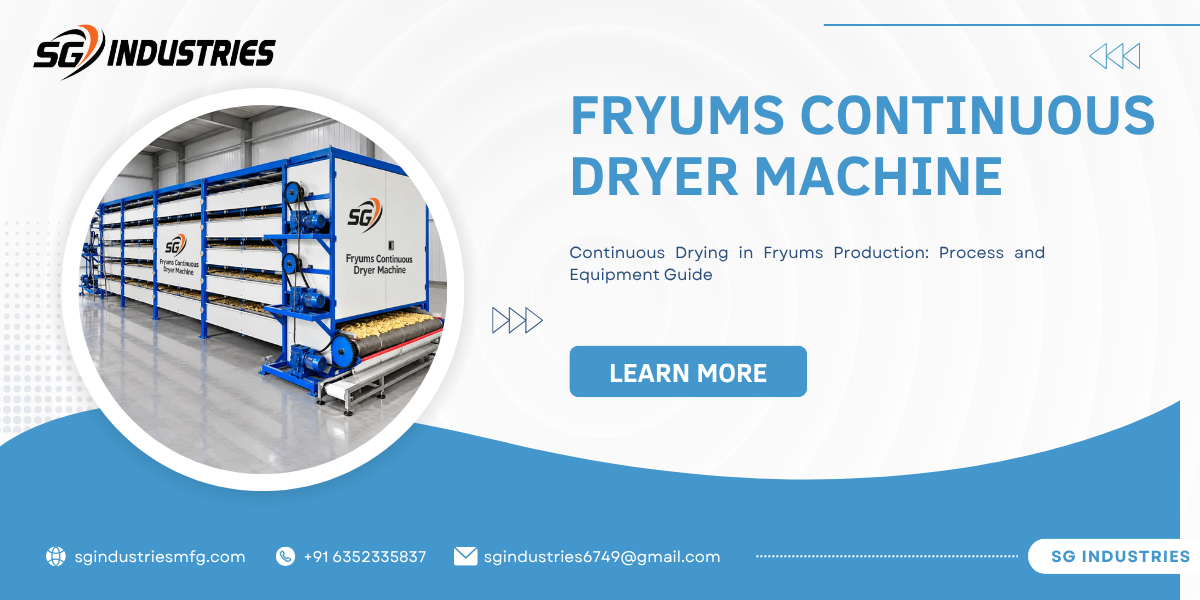
In drying applications, hot air is used as part of the process for removing moisture from materials. The appropriate equipment depends on the product, production method and desired workflow.
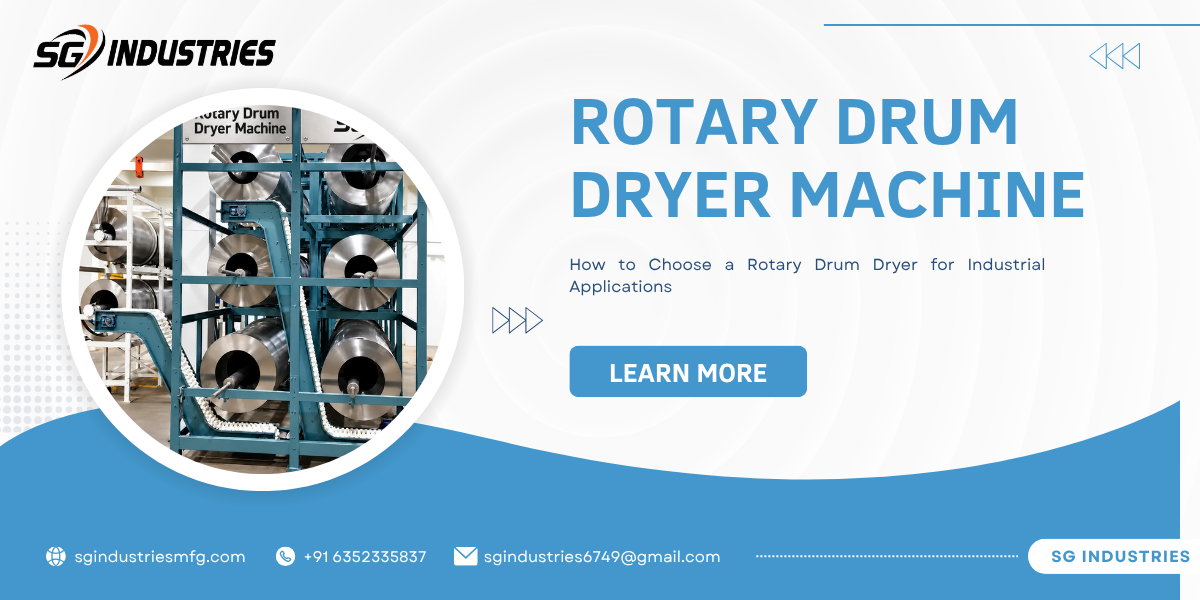
Businesses exploring drying equipment can also review the Rotary Drum Dryer Machine, Tray Dryer and Fluid Dryer. Each equipment category should be evaluated according to the material and application rather than assumed to be interchangeable.
Related Industrial Heating Equipment
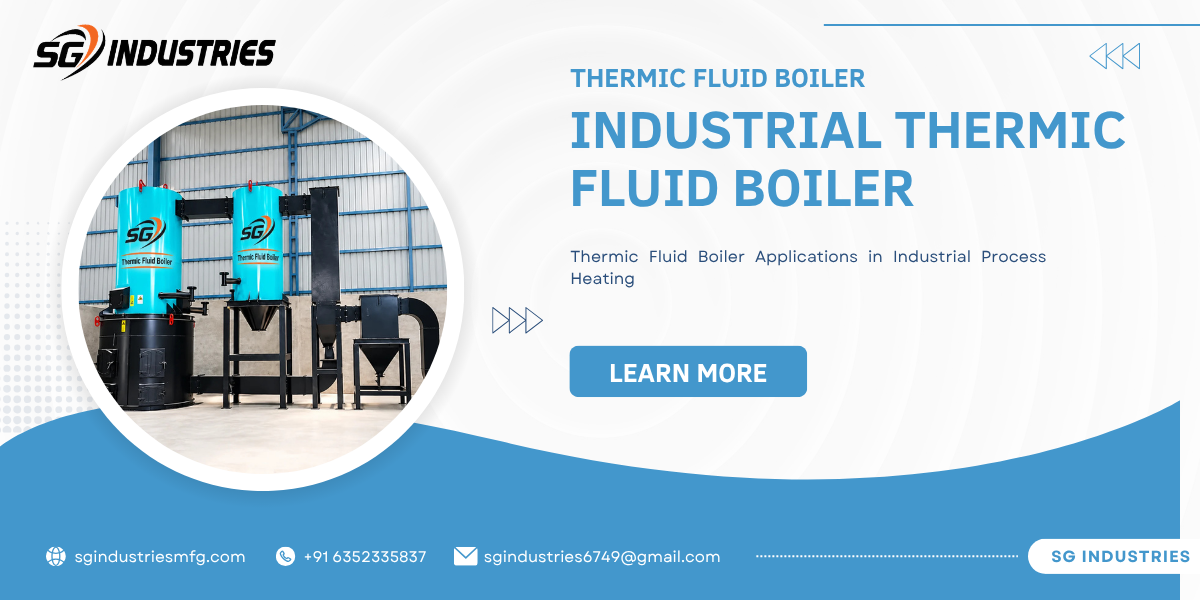
Some manufacturing processes use different types of heating equipment depending on their requirements. Businesses may explore the Thermic Fluid Heater or Thermic Fluid Boiler when reviewing other industrial heating options.
For applications involving thermal transfer, the Heat Exchanger may also be relevant to the wider process system. Equipment selection should be based on the function required within the production setup.
Planning an Industrial Hot Air System
Before purchasing equipment, businesses should prepare information about the application, material, operating conditions, installation space and production workflow. Discussing these requirements with the equipment supplier can help identify a suitable arrangement.
SG Industries offers a Hot Air Generator for industrial heating applications. Visit the product page to review available information and enquire about your specific process requirements.


 Users Today : 0
 Users This Month : 33
 Total Users : 95