





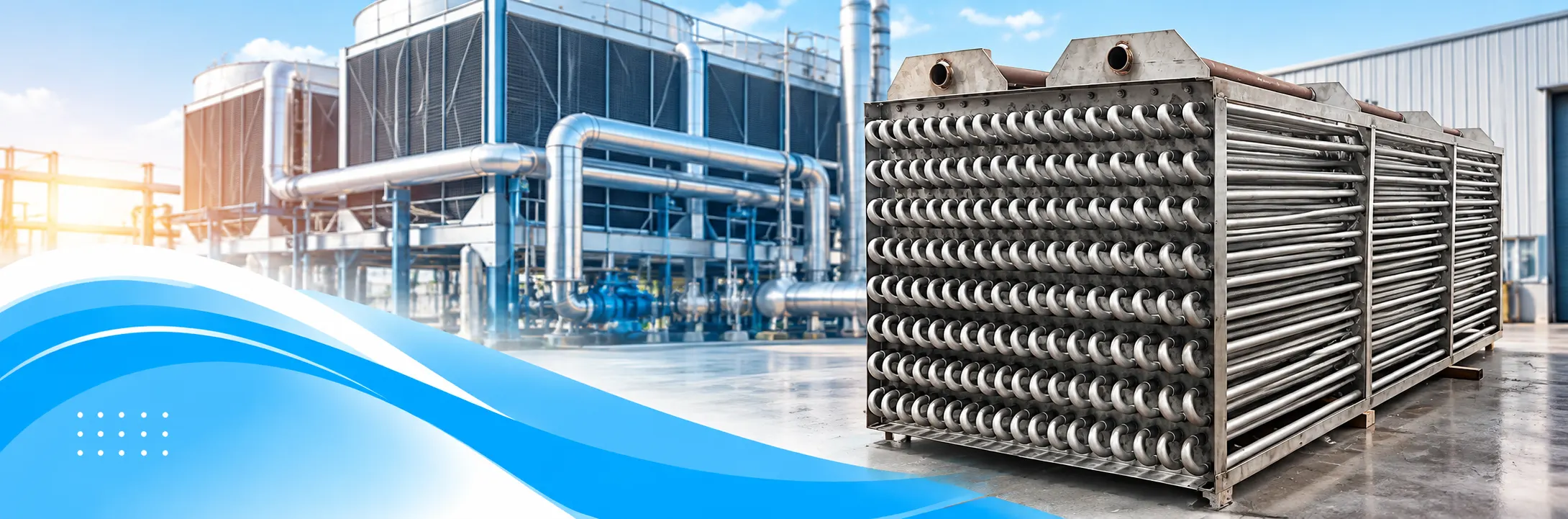
A Cooling Coil helps remove heat from air or a compatible fluid in systems that require temperature control. Depending on its design, a cooling coil can be used in industrial ventilation, process cooling and other applications where heat must be transferred away from equipment or a working environment. Choosing the right coil depends on the cooling load, operating conditions and the system in which it will be installed.
What Is a Cooling Coil?
A cooling coil is a heat-transfer component that allows heat to move from warmer air or fluid to a colder medium flowing through the coil. Common designs use tubes, often combined with fins to increase the surface area available for heat transfer.
The exact construction varies according to the application. Some coils cool air, while others are designed for particular fluid or process conditions. The coil must be compatible with the cooling medium, operating pressure and required temperature range.
Where Are Cooling Coils Used?
1. Industrial Air Cooling
Cooling coils can be incorporated into air-handling and ventilation systems to lower the temperature of passing air. Their performance depends on airflow, entering-air conditions, the cooling medium and the available heat-transfer surface.
In applications where moisture condenses on the coil, suitable drainage and maintenance arrangements are also important.
2. Process Temperature Control
Certain industrial processes require equipment or fluids to remain within a defined temperature range. A correctly specified cooling coil may help remove excess heat from a compatible process.
The design should be based on the actual heat load and required outlet temperature. A coil that is too small may not provide sufficient cooling, while an unsuitable design can increase operating costs or create maintenance problems.
3. Supporting Heat-Transfer Systems
Cooling coils are one option within the wider category of industrial heat-transfer equipment. For some applications, a conventional heat exchanger may be more suitable, depending on the fluids involved, required thermal duty and system layout.
The correct choice depends on whether the process needs air cooling, liquid cooling or heat transfer between two separate fluid streams.
Factors That Affect Cooling Coil Performance
Cooling Capacity
Cooling capacity should match the heat that needs to be removed. To determine the required capacity, consider the entering and target temperatures, flow rates and operating conditions.
Material and Fluid Compatibility
Coil materials must be compatible with the cooling medium and the surrounding environment. Material selection can influence durability, corrosion resistance, maintenance requirements and service life.
Airflow and Heat-Transfer Surface
For air-cooling applications, airflow and fin arrangement affect how effectively heat moves across the coil. Poor airflow, blocked fins or dirt accumulation can reduce performance.
Pressure Drop and Energy Use
The coil should provide the required cooling without creating excessive resistance to airflow or fluid circulation. Pressure drop can affect the energy required by fans or pumps, so it should be considered during system design.
Maintenance and Cleaning
Dust, deposits and corrosion can reduce heat-transfer performance. Regular inspection and cleaning, where appropriate for the coil design, help maintain efficient operation.
Cooling Coil vs Other Heat-Transfer Equipment
A cooling coil is generally selected for a defined cooling task, while other heat-transfer systems may be designed for different heating or cooling arrangements.
For example, an oil heat exchanger may be relevant to compatible thermal-oil applications. A steam heat exchanger is designed for applications involving steam as a heat-transfer medium. These systems have different functions and operating requirements, so they should not be treated as direct substitutes for every cooling coil.
The equipment should be chosen according to the process requirements rather than the product name alone.
How to Choose the Right Cooling Coil
Before purchasing, document the required cooling capacity, inlet and outlet temperatures, flow rate, operating pressure and available installation space. Also confirm the cooling medium, material compatibility, cleaning access and expected operating schedule.
Share these details with the supplier so the proposed design can be assessed against the actual application. Where possible, review technical drawings and performance data before finalising the specification.
Conclusion
A Cooling Coil can support effective temperature control when its design matches the cooling load and operating conditions. Airflow, fluid compatibility, heat-transfer surface, pressure drop and maintenance all influence performance. A clear understanding of these factors helps businesses choose an appropriate cooling solution for their industrial system.



 Users Today : 0
 Users This Month : 33
 Total Users : 95