





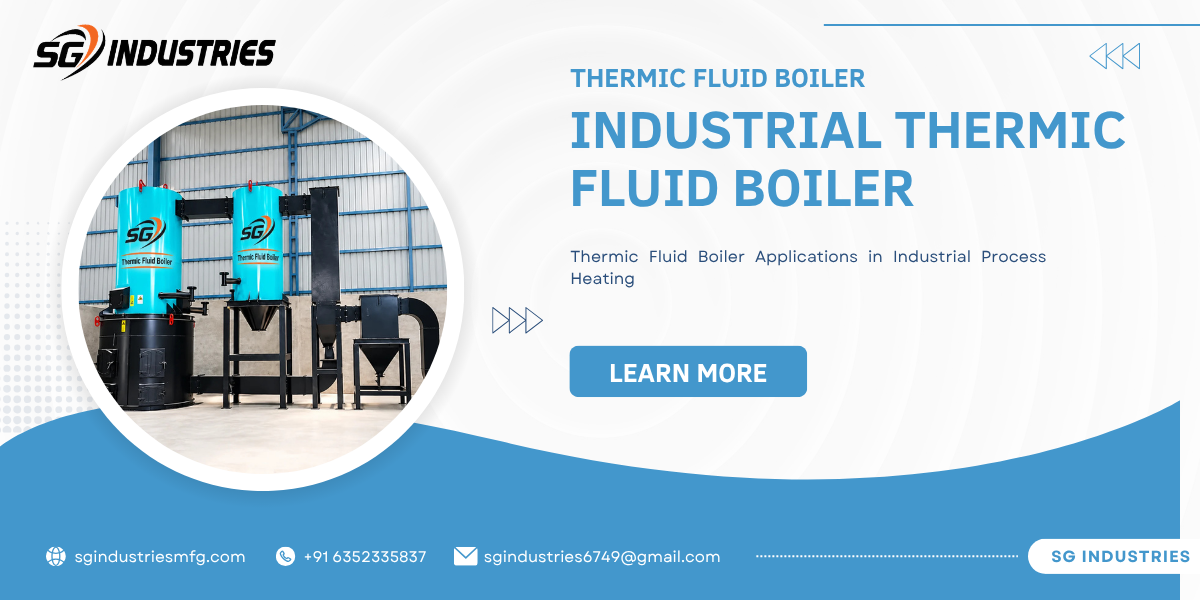
Industrial processes often require dependable and controlled heat to support production, material processing, drying, and other manufacturing operations. A thermic fluid boiler is one type of industrial heating equipment used to transfer heat through a circulating thermal fluid, commonly thermal oil. The system can provide indirect heating to process equipment where stable heat delivery is important.
Understanding thermic fluid boiler applications helps industries evaluate whether this heating method is suitable for their operating requirements. The choice depends on process temperature, heat demand, equipment design, fluid properties, and operating conditions.
How a Thermic Fluid Boiler Works
A thermic fluid boiler heats a specialized fluid within a heating circuit. A circulation pump moves the heated fluid through pipes, jackets, coils, or heat-transfer surfaces connected to the process equipment. After transferring heat, the fluid returns to the heating unit to be reheated and circulated again.
Because heat is transferred indirectly, the thermal fluid can supply energy to equipment without direct contact between combustion gases and the material being processed. The complete system typically includes a heating unit, circulation pump, expansion arrangement, piping, controls, and process-side heat-transfer equipment.
Common Thermic Fluid Boiler Applications
1. Industrial Drying Processes
Drying operations may require a consistent source of heat to remove moisture from materials. Thermic fluid systems can supply heat to compatible dryers through coils or heat exchangers. The required arrangement depends on the dryer design, product characteristics, and process temperature.
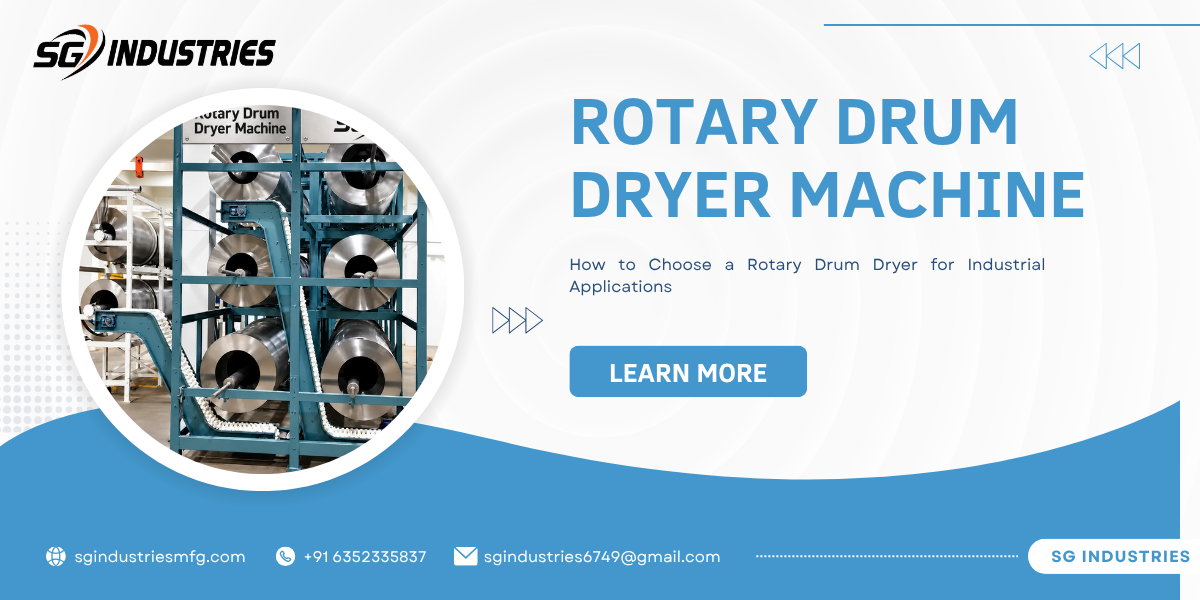
Industries evaluating drying equipment may also consider a tray dryer or a rotary drum dryer machine, depending on the material and production method.
2. Food Processing and Production
Some food-processing operations use indirect heating for cooking, drying, or maintaining process temperatures. A thermal fluid circuit may be designed to transfer heat to suitable processing equipment while keeping the heating medium separate from the product. Equipment selection should account for food-process requirements, temperature control, cleaning needs, and applicable safety standards.
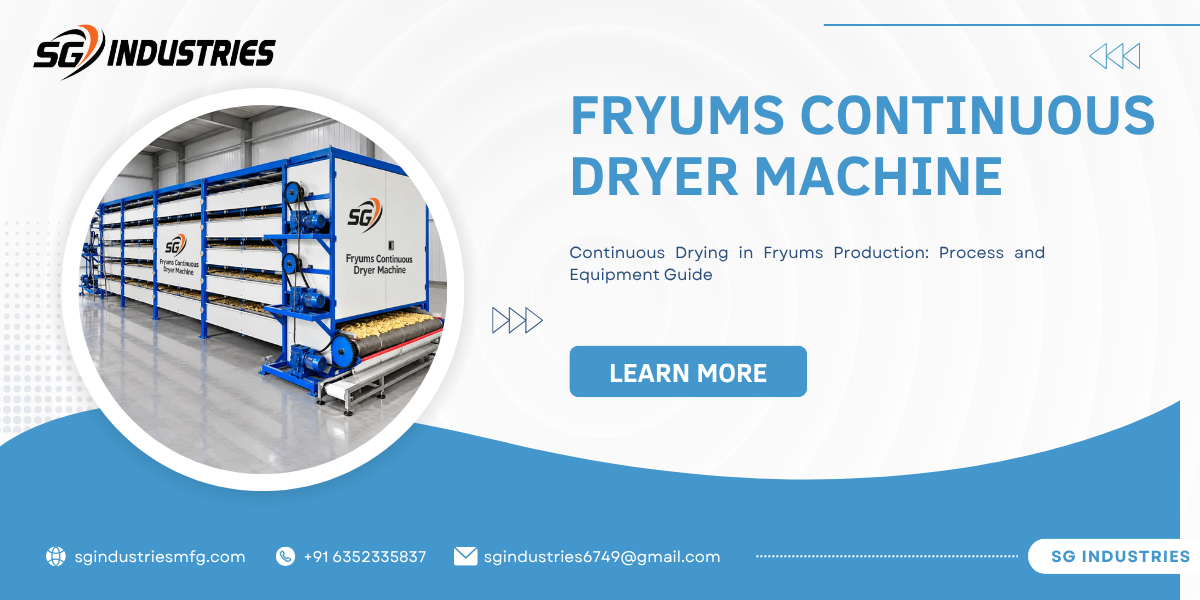
For snack and food manufacturing operations, related equipment may include a fryums machine and a fryums continuous dryer machine. The heating arrangement should be matched to the actual process design.
3. Chemical and Process Industries
Industrial process plants may require indirect heating for vessels, reactors, tanks, or other equipment. A thermic fluid system can circulate heat-transfer fluid through jackets or coils designed for the application. The fluid type, operating temperature, compatibility, and control strategy should be reviewed before selecting the system.
4. Heat Transfer to Process Equipment
Thermal fluid systems can supply heat to process equipment through dedicated heat-transfer surfaces. Where a process requires heat exchange between separate streams, a suitable industrial heat exchanger may form part of the system design.
5. Manufacturing and Industrial Heating
Manufacturing facilities may use indirect heating for equipment that requires a controlled thermal input. The exact application varies by industry and production line. A heating system should be selected after evaluating required heat output, operating temperature, process timing, and the layout of the plant.
Thermic Fluid Boiler vs. Other Heating Systems
Different industrial heating systems serve different requirements. A thermic fluid boiler circulates a heat-transfer fluid, while other systems may use hot air, steam, or direct heating. The most suitable option depends on the process and the equipment being heated.
- Thermic fluid system: Transfers heat through circulating thermal fluid to compatible process equipment.
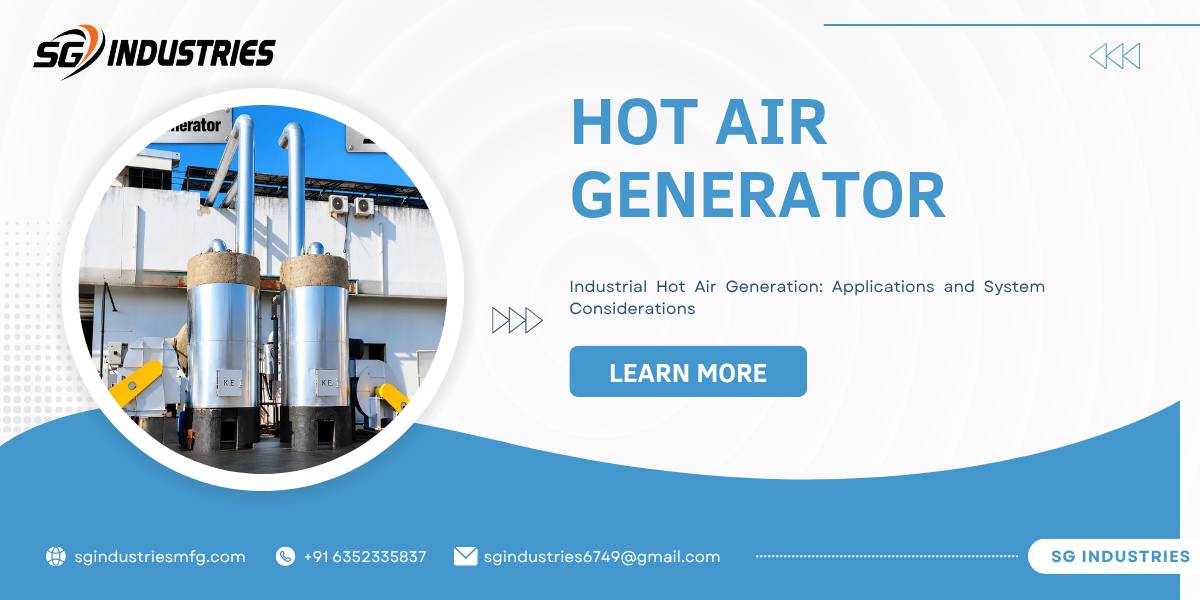
- Hot air system: Supplies heated air for processes that require air as the heating medium. Explore the hot air generator.
- Boiler-based system: May be selected where steam or another boiler output is required by the process.
These systems are not interchangeable in every application. Process requirements and equipment specifications should guide the decision.
Key Factors When Selecting a Thermic Fluid Boiler
Before choosing a heating system, industries should review the following factors:
- Required operating temperature: Identify the process temperature and the acceptable operating range of the heat-transfer fluid.
- Heat demand: Estimate the required heat output based on the equipment and production process.
- Thermal fluid selection: Check fluid properties, compatibility, and supplier recommendations for the intended operating conditions.
- Circulation and piping: Ensure the system layout supports the required fluid flow and heat transfer.
- Controls and monitoring: Consider temperature controls, pressure monitoring, alarms, and other protective features appropriate to the system.
- Maintenance access: Plan for inspection, fluid condition checks, cleaning, and routine maintenance.
- Safety requirements: Follow applicable regulations, installation practices, and manufacturer instructions.
Importance of Proper System Design
Performance depends on more than the heating unit alone. The thermal fluid, circulation pump, piping, insulation, heat-transfer surfaces, and control system work together. Poorly matched components or an unsuitable operating setup can affect heat delivery and equipment reliability.
Industrial users should work with qualified equipment and engineering professionals to determine the system configuration. Installation, commissioning, operation, and maintenance should follow the equipment manufacturer’s instructions and applicable safety requirements.
Conclusion
Thermic fluid boiler applications cover industrial processes that require indirect heat transfer through a circulating thermal fluid. Potential uses include drying, food processing, chemical processing, and heating compatible manufacturing equipment.
The right system depends on the required temperature, heat demand, process design, fluid compatibility, and safety considerations. Reviewing these factors helps industrial users select heating equipment that fits their production needs.
To explore related industrial equipment, visit SG Industries’ pages for thermic fluid heaters, industrial boilers, and other process-heating solutions.


 Users Today : 0
 Users This Month : 33
 Total Users : 95