




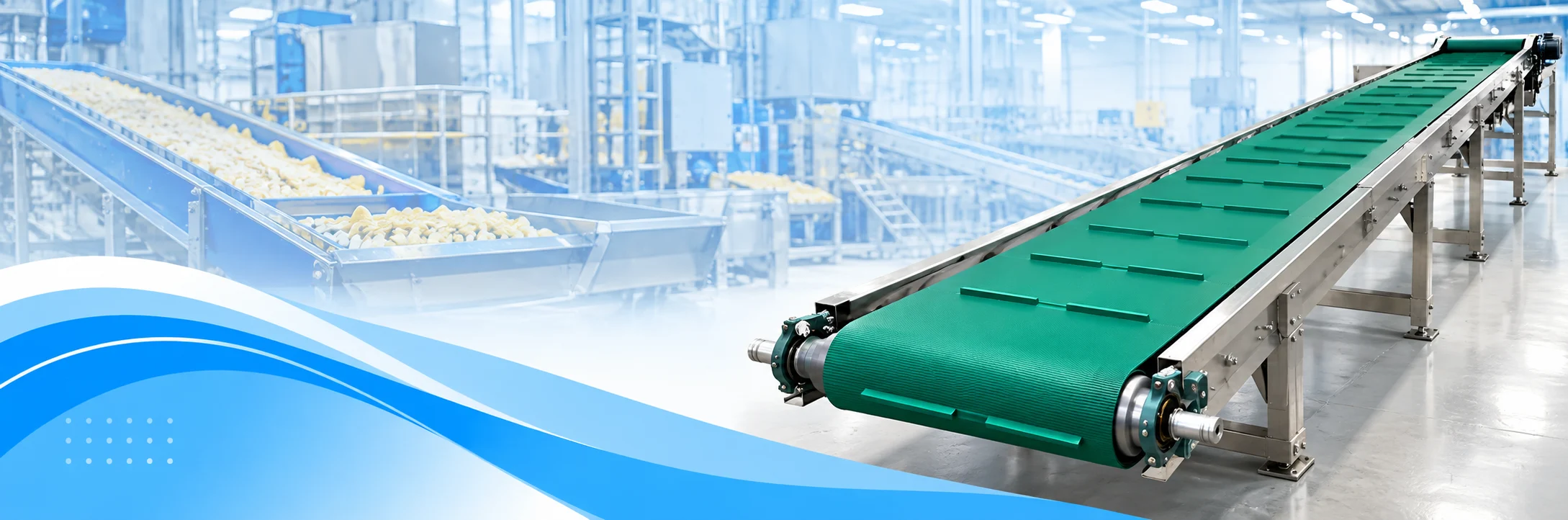
An Industrial Conveyor Belt helps move materials between different stages of a production or handling process. Conveyor systems can support the movement of goods, components and materials within industrial facilities, depending on their design and intended application.
Selecting a suitable conveyor belt requires more than comparing dimensions or prices. Businesses should assess the material being transported, the required movement path, operating conditions and the way the conveyor will connect with the rest of the production line.
What Is an Industrial Conveyor Belt?
An industrial conveyor belt is part of a material-handling system designed to transport items along a defined route. Depending on the application, the system may move materials between workstations, processing areas, storage locations or packaging stages.
The belt material, width, length, supporting structure and drive arrangement depend on the intended use. Therefore, equipment specifications should be matched to the actual materials and operating environment rather than selected using a general-purpose assumption.
Common Conveyor Belt Applications
1. Manufacturing and Assembly
Manufacturing facilities may use conveyor systems to move components between workstations. The layout should consider the sequence of operations, material dimensions, loading method and access required by operators.
2. Processing and Packaging
In suitable production environments, conveyors can help transfer products between processing or packaging stages. Businesses should verify that the belt material and construction are appropriate for the products, cleaning procedures and operating conditions involved.
3. Material Transfer Within Industrial Facilities
Conveyor systems may also be used to move materials between designated areas. The route, transfer points, floor layout and movement requirements should be reviewed before installation to ensure the proposed arrangement fits the facility.
Factors to Consider When Selecting a Conveyor Belt
Material Type and Weight
Start by identifying what the conveyor will transport. Consider the material’s weight, dimensions, surface characteristics and behaviour during movement. These factors influence the appropriate belt construction and system configuration.
Required Capacity
Determine the expected quantity of material to be moved over a specified period. Share the required throughput with the supplier and request documented capacity details for the proposed system.
Conveyor Length and Layout
Measure the planned route and identify changes in direction, elevation and transfer points. Available space and access for inspection or maintenance should also be considered during layout planning.
Operating Environment
Temperature, moisture, dust, cleaning requirements and exposure to industrial materials can affect equipment suitability. Confirm that the selected belt and its supporting components are appropriate for the actual working conditions.
Maintenance and Safety
Ask about belt inspection, tension adjustment, tracking, cleaning and replacement procedures. Moving equipment should have appropriate safeguards and be operated according to the manufacturer’s instructions and applicable workplace safety requirements.
Integrating a Conveyor With Other Equipment
A conveyor should be planned as part of the wider production workflow. Its loading and discharge points need to align with the equipment before and after it, and the layout should allow materials to move without unnecessary handling.
Where a production process includes thermal equipment, review the relevant requirements separately. For example, an industrial heat exchanger may be part of a process that requires heat transfer, while a thermic fluid heating system may be relevant to certain industrial heating applications. These are different equipment categories, and their inclusion depends on the actual production setup.
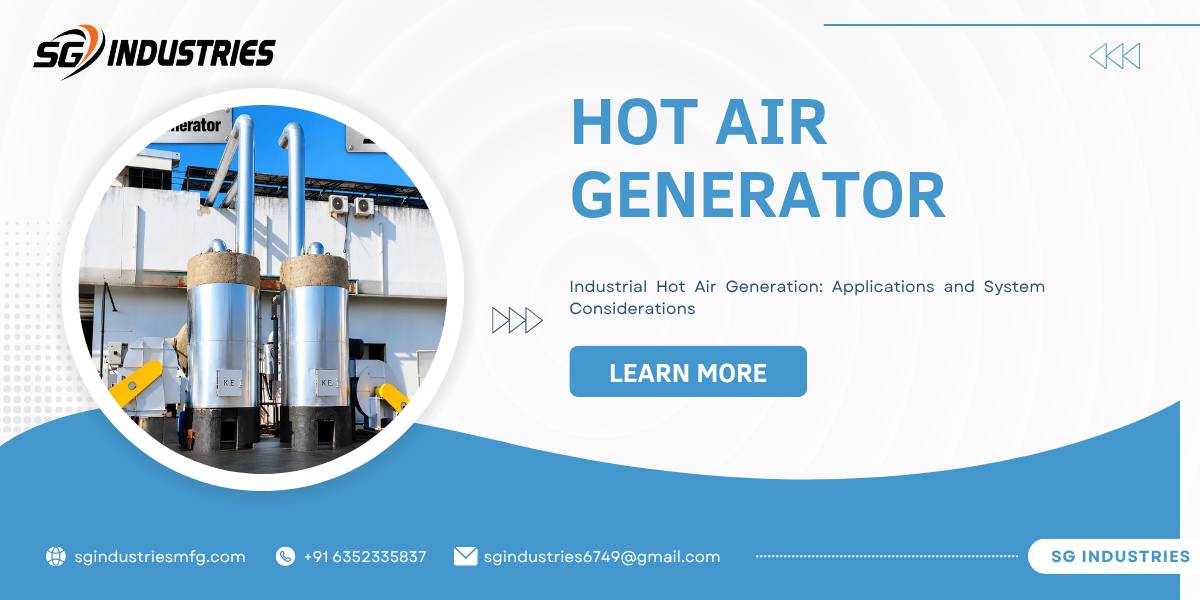
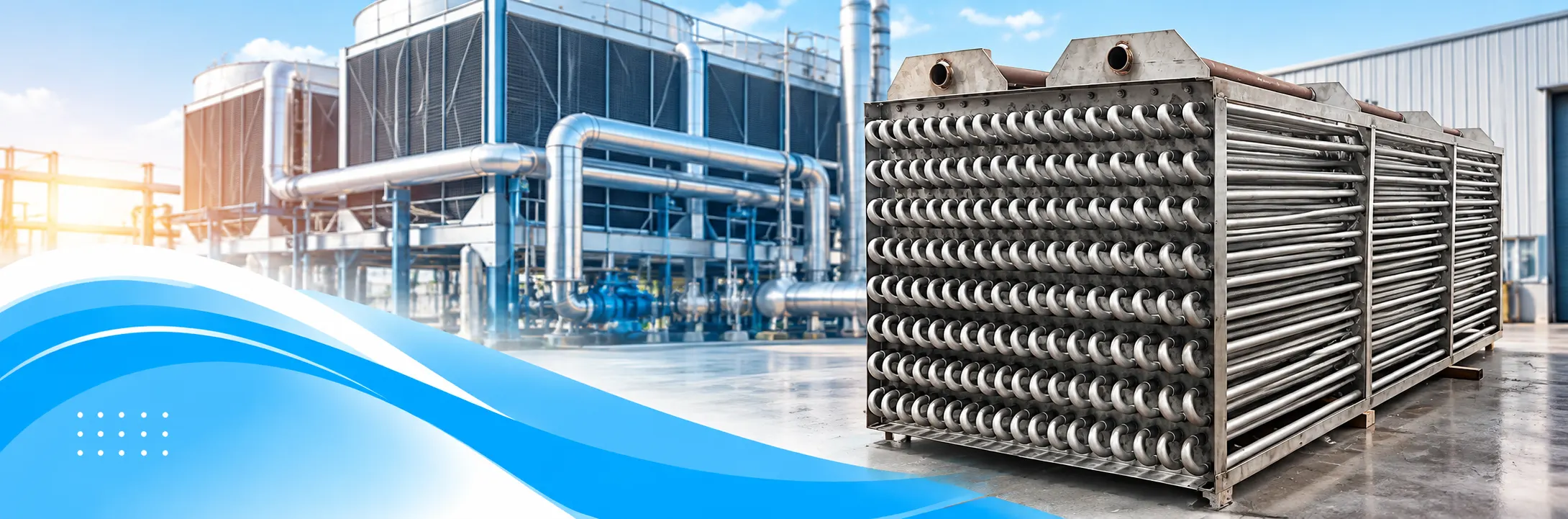
If the process involves hot-air heating, an industrial hot air generator may also be worth evaluating where appropriate. For systems that require heat removal or temperature management, an industrial cooling coil may be relevant depending on the application.
These related systems should not be treated as standard conveyor components. Their suitability must be determined from the process design and technical requirements.
Maintenance Practices for Conveyor Systems
Routine inspection helps identify visible wear, belt misalignment, unusual movement and other issues that may require attention. Maintenance schedules should follow the equipment manufacturer’s recommendations and take account of operating conditions.
Before cleaning, adjusting or repairing a conveyor, follow the facility’s approved isolation and lockout procedures. Maintenance should be performed by trained personnel using the appropriate safety measures.
Keeping records of inspections, maintenance activities and replacement parts can also help facilities manage equipment condition and plan servicing more effectively.
Choosing the Right Conveyor Solution
Before purchasing an Industrial Conveyor Belt, prepare details about the transported material, required capacity, route dimensions, operating environment and integration points. Share this information with the supplier and ask for a proposal based on documented requirements.
SG Industries MFG offers industrial equipment for different production needs. Contact the company to confirm whether a suitable conveyor solution is available and request its technical specifications before making a purchasing decision.
The right conveyor arrangement is the one that fits the material-handling task, facility layout and operating requirements of the business.

 Users Today : 0
 Users This Month : 25
 Total Users : 87