





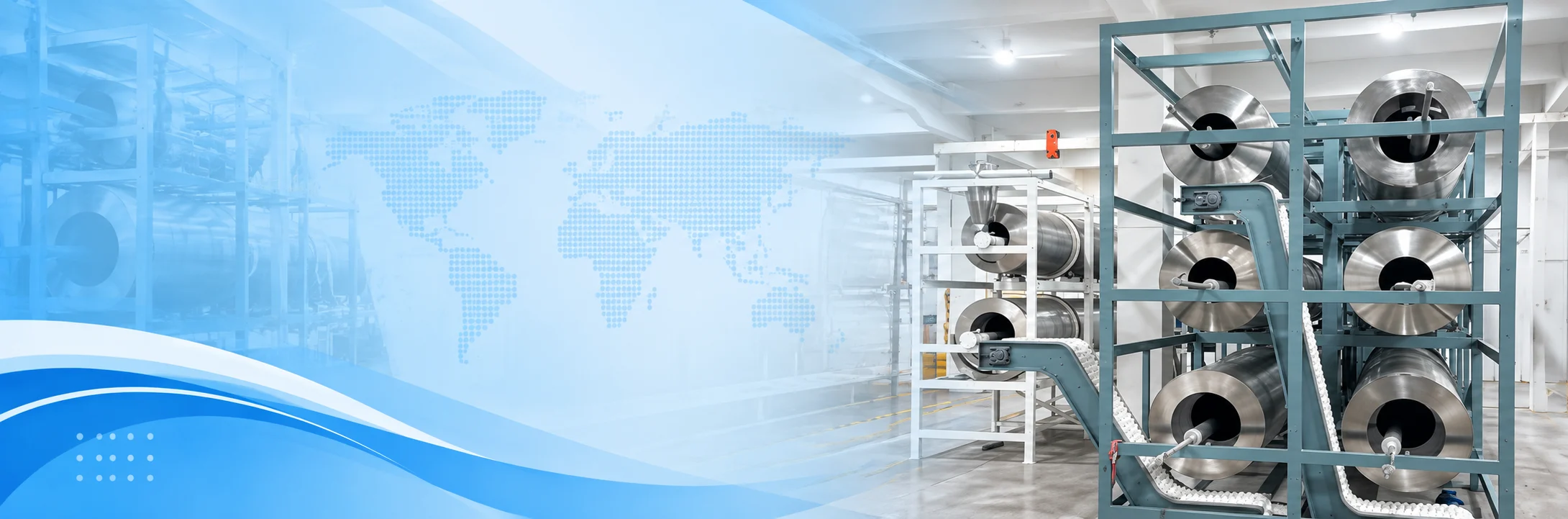
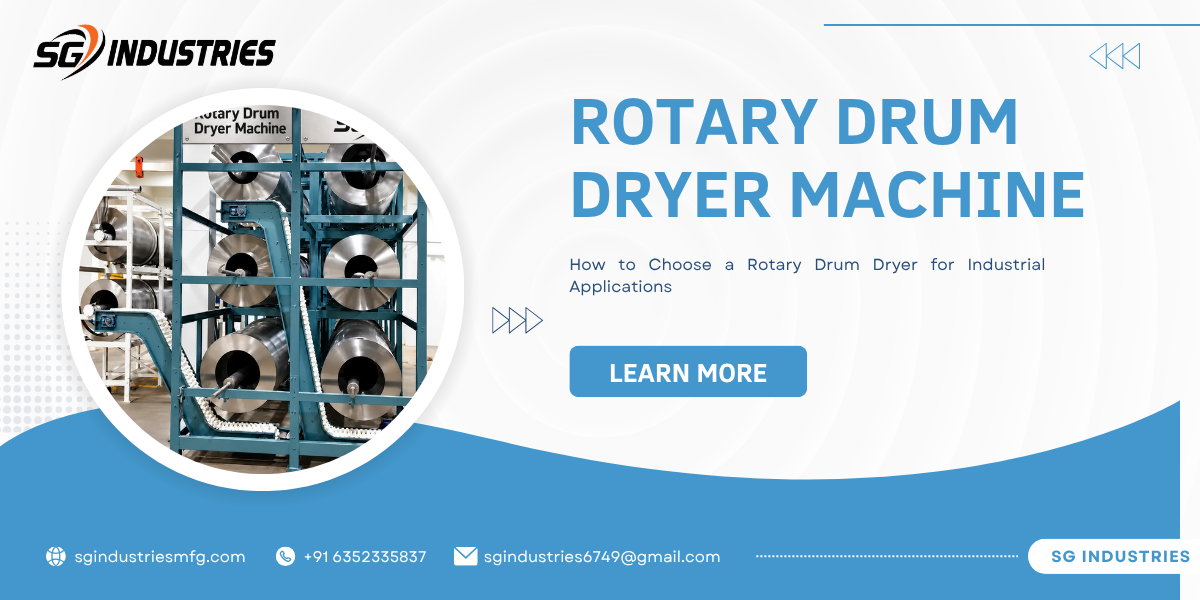
Industrial drying is an important process in many manufacturing and material-processing operations. A Rotary Drum Dryer Machine is a type of drying equipment used to remove moisture from suitable materials through controlled heat exposure and continuous movement inside a rotating drum.
Selecting appropriate equipment requires an understanding of the material, desired moisture level, production capacity and operating conditions. This guide explains the basic working principle and the key considerations for businesses evaluating rotary drying equipment.
What Is a Rotary Drum Dryer Machine?
A rotary drum dryer is an industrial machine that uses a rotating cylindrical drum to move material through a drying process. Depending on the design, material and heating arrangement, the system facilitates contact between the material and the drying medium.
The equipment configuration varies according to the application. Material characteristics, moisture content and required output all influence the selection of a suitable machine.
How Does a Rotary Drum Dryer Work?
The general drying process involves moving material through a rotating drum while exposing it to a suitable drying medium.
The process can be understood through these stages:
1. Material feeding: Material enters the drying system through its designated feeding arrangement.
2. Rotary movement: The drum rotates to move and distribute the material through the equipment.
3. Heat exposure: The material is exposed to the drying medium according to the machine’s design and operating settings.
4. Moisture removal: Moisture is removed as the material progresses through the drying process.
5. Material discharge: The processed material exits the system for the next production stage.
Actual operating conditions and material movement depend on the equipment design and the application being processed.
Industrial Applications of Rotary Drum Dryers
A Rotary Drum Dryer may be suitable for different industrial drying requirements, depending on its design and the properties of the material.
Common considerations when evaluating industrial drying equipment include:
-
Processing materials that require moisture reduction.
-
Supporting drying stages within a production workflow.
-
Handling materials according to their physical properties and moisture content.
-
Integrating drying equipment with other processing machinery.
-
Meeting defined production and output requirements.
The suitability of a particular machine should be confirmed with the manufacturer for the intended material and application.
Important Factors When Selecting a Rotary Drum Dryer
Before choosing an Industrial Rotary Drum Dryer, businesses should assess the following factors.
1. Material characteristics
Identify the type of material to be processed, its initial moisture content and its sensitivity to heat. These properties influence the drying approach and machine configuration.
2. Required production capacity
Determine the expected input quantity and desired output over a defined period. Discuss the required capacity with the equipment manufacturer before making a selection.
3. Drying temperature and duration
Different materials require different operating conditions. The appropriate temperature and drying duration should be established according to the material and process requirements.
4. Heating arrangement
Review the available heating method and confirm that it is appropriate for the intended application and operating environment.
5. Installation and maintenance
Consider available installation space, access for routine maintenance and compatibility with the existing production line.
6. Equipment specifications
Request verified information about dimensions, capacity, power requirements, construction and other relevant specifications before purchasing.
Why Compare Different Drying Equipment Options?
Rotary drum dryers are not automatically the best solution for every material. Some applications may require another drying arrangement based on product sensitivity, required output and processing conditions.
For example, a tray dryer or fluid bed dryer may be worth evaluating for certain applications. The appropriate choice depends on the specific material and production requirements rather than the equipment name alone.
Choosing a Rotary Drum Dryer Manufacturer
When evaluating a Rotary Drum Dryer Manufacturer, provide clear information about your material, initial moisture content, required output and operating conditions.
Request relevant technical specifications and confirm the proposed machine configuration before making a purchase decision. Comparing equipment against your actual production requirements helps establish whether it is suitable for the intended process.
SG Industries MFG offers a Rotary Drum Dryer Machine for industrial drying applications. Visit the Rotary Drum Dryer Machine product page to explore the available product information.
You can also review the Fluid Dryer, Tray Dryer and Fryums Continuous Dryer Machine pages to compare related equipment options.
Conclusion
A rotary drum dryer can be an option for industrial processes that require moisture reduction and continuous material movement. The right selection depends on material properties, production capacity, operating conditions and the required drying outcome.
Before choosing a machine, discuss your application and technical requirements with SG Industries MFG to identify an appropriate equipment configuration.



 Users Today : 0
 Users This Month : 33
 Total Users : 95