


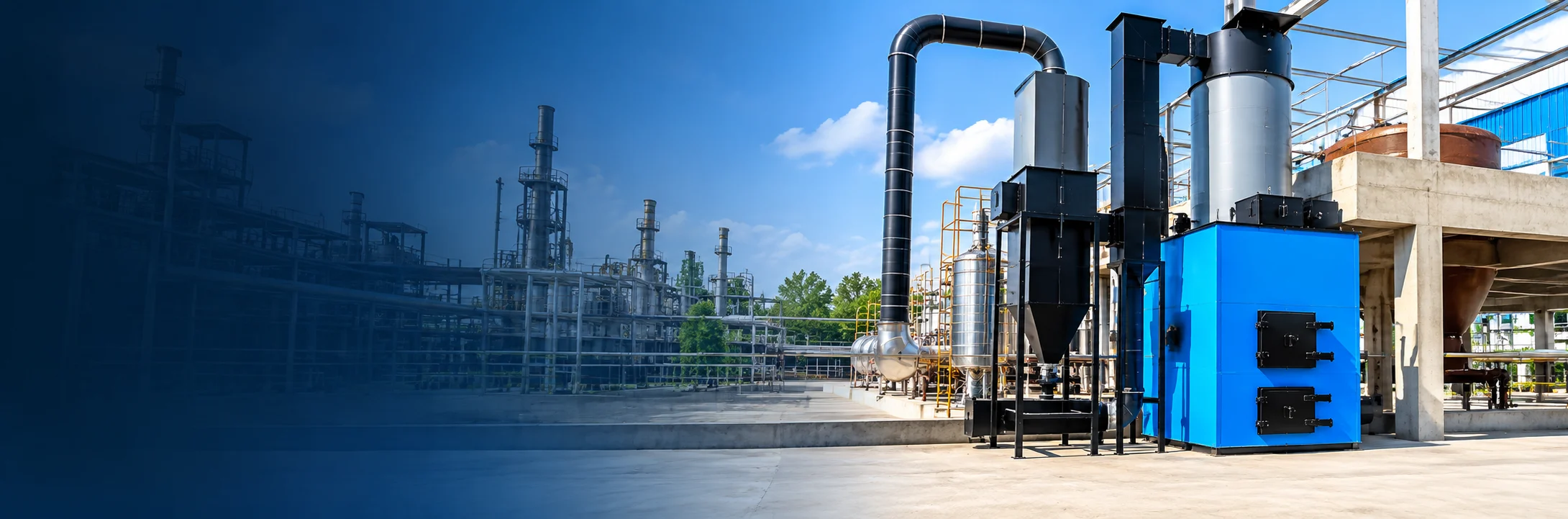
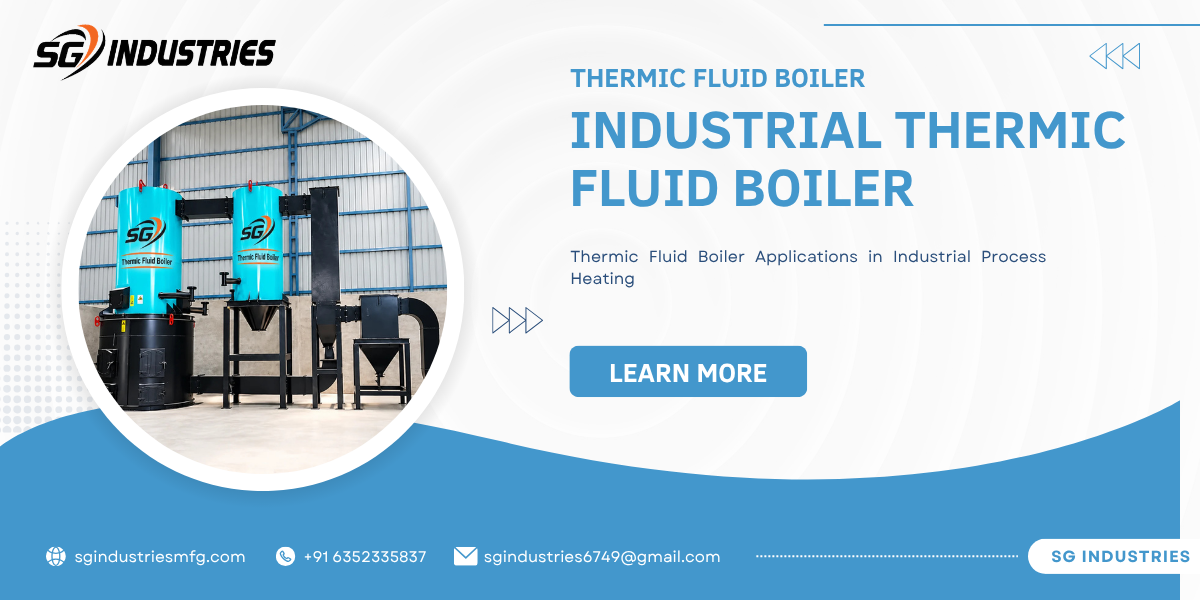
A Thermic Fluid Boiler is an industrial heating solution used in processes that require heat transfer through a circulating thermal fluid. For manufacturers evaluating industrial heating equipment, understanding the differences between thermic fluid systems and steam boilers helps identify a suitable option based on process temperature, operating requirements and equipment configuration.
Industrial heating systems support a wide range of manufacturing and processing operations. However, different processes require different methods of transferring heat. Two options businesses may evaluate are thermic fluid heating systems and steam boilers.
Understanding how these systems operate, what each process requires and which factors affect equipment selection can help businesses make informed decisions. The right choice depends on the required temperature, heat transfer method, process design and operating conditions.
What Is a Thermic Fluid Boiler?
A Thermic Fluid Boiler is associated with a heating system that uses a thermal fluid to transfer heat to industrial equipment or a process. The fluid circulates through the system and transfers heat where it is required.
The actual arrangement depends on the equipment design, heating requirements and selected thermal fluid. Businesses should confirm the proposed system’s operating temperature, heat output, circulation arrangement and safety requirements before installation.
An appropriate Thermic Fluid Heating System must match the process requirements rather than relying on a general equipment description alone.
What Is a Steam Boiler?
An industrial steam boiler heats water to produce steam for processes that require steam-based heat transfer. The steam is delivered to compatible equipment, where it transfers heat as part of the production process.
Steam systems require suitable water management, pressure controls, piping and other safety arrangements. Their design should reflect the required steam conditions and the needs of the connected equipment.
A steam boiler may suit processes specifically designed around steam, but businesses should assess the complete system before choosing this type of heating equipment.
Thermic Fluid Boiler vs. Steam Boiler: Main Differences
Although both systems supply heat, they use different heat transfer media and require different supporting equipment.
1. Heat transfer medium
A thermic fluid system uses a circulating thermal fluid to transfer heat. A steam boiler, on the other hand, produces steam from water for delivery to the process.
The choice depends on the process design and the required method of heat transfer.
2. Operating requirements
Thermic fluid systems require suitable fluid circulation, temperature monitoring and controls. Steam systems require appropriate pressure management, water treatment and steam distribution arrangements.
Both systems need suitable protection, maintenance and operation by trained personnel.
3. Process compatibility
Some industrial processes are designed around circulating thermal oil or another suitable thermal fluid. Others specifically require steam.
Therefore, businesses should identify the requirements of their production equipment before selecting a heating system.
4. Installation considerations
Installation requirements vary with the equipment configuration, heating capacity, piping layout, available space and site conditions. A complete system assessment is necessary before finalizing the design.
5. Maintenance requirements
Each system requires maintenance appropriate to its design. Thermal fluid condition and circulation should be assessed in a thermic fluid system, while steam systems require attention to water quality, pressure controls and related equipment.
The manufacturer’s maintenance instructions should guide the inspection schedule.
How to Choose an Industrial Heating System
Before selecting a heating solution, review the following factors.
Required operating temperature: Establish the temperature needed by the process and confirm that the proposed system can support it.
Heat demand: Determine the heat output required under normal operating conditions and discuss suitable equipment capacity with the manufacturer.
Process requirements: Identify whether the connected machinery requires steam, circulating thermal fluid or another heating arrangement.
Energy source: Review the available fuel or energy supply and its compatibility with the proposed system.
Safety and controls: Confirm the required monitoring, protective devices, operating procedures and installation conditions.
Maintenance and operating costs: Consider routine maintenance, consumables, energy use and the requirements for trained operators.
These factors help businesses compare options according to actual process needs instead of selecting equipment based only on its name.
Related Industrial Heating Equipment
Choosing a Thermic Fluid Boiler Manufacturer
When contacting a Thermic Fluid Boiler Manufacturer, prepare details about your process, required temperature, heat demand, energy source and operating conditions. This information helps the manufacturer assess the appropriate equipment configuration.
Request the relevant technical specifications and confirm installation, safety and maintenance requirements before making a purchasing decision.
SG Industries MFG provides industrial heating equipment. Review the available product information and discuss your process requirements with the company before selecting a system.
Conclusion
A thermic fluid heating system and a steam boiler transfer heat through different methods. Neither option is automatically suitable for every industrial process. The appropriate choice depends on the required temperature, process design, heat demand, installation conditions and safety requirements.
Carefully assess these factors and confirm the technical specifications with the equipment manufacturer before selecting a heating system for your facility.

 Users Today : 0
 Users This Month : 33
 Total Users : 95