






A Vibro Sifter is industrial screening equipment used to separate materials according to particle size. It uses vibratory movement to help materials pass across a screen, allowing particles to be separated according to the selected screen opening and machine configuration.
Choosing suitable screening equipment requires an understanding of the material, the required separation result and the production process. Businesses should evaluate these factors before selecting a machine for their facility.
What Is a Vibro Sifter?
A vibro sifter uses vibration to support the screening of suitable powders, granules and other materials. Depending on the design, the machine may use one or more screening levels to separate material into different size fractions.
Screening performance depends on particle characteristics, moisture content, screen opening size, feed rate and machine configuration. These factors should be considered together when evaluating equipment for a particular application.
Common Industrial Applications of Vibro Sifters
1. Food and Ingredient Processing
Screening equipment may be used to classify suitable food ingredients or separate unwanted oversized particles. The machine’s construction, cleaning procedures and material compatibility should be checked against the product and applicable hygiene requirements.
2. Chemical and Powder Processing
Some industrial processes require powders or granules to be screened before further processing. Material characteristics, dust-control requirements and the desired particle-size range are important considerations when selecting equipment.
3. Manufacturing and Raw Material Preparation
In manufacturing facilities, screening may help prepare raw materials for subsequent production stages. The required separation result should be determined before choosing the screen configuration and operating settings.
These are potential applications rather than a guarantee that every machine is suitable for every material.
Factors to Consider When Selecting a Vibro Sifter
Material Characteristics
Identify whether the material is a powder, granule or another solid form. Consider its particle size, shape, moisture content, flow behaviour and any special handling requirements.
Screen Size and Separation Requirements
Select the screen opening according to the required separation result. Confirm the appropriate mesh or aperture with the equipment supplier and determine whether the process requires one screening stage or several.
Production Capacity
Estimate the quantity of material that needs to be screened over a defined period. Request documented capacity information for the proposed machine, because actual throughput can vary according to material properties and operating conditions.
Construction and Cleaning
Review the machine’s construction materials, access to screening components and cleaning requirements. Where hygiene or contamination control is important, confirm that the proposed equipment meets the relevant requirements for the application.
Installation and Maintenance
Check the available installation space, electrical requirements, operating noise and access for inspection. Ask the supplier about screen replacement, routine maintenance and recommended operating procedures.
Vibro Sifter and Other Industrial Equipment
Different machines perform different functions within a production line. A vibro sifter is used for screening, while a feeder helps regulate material movement into another process stage.
For example, an appropriate vibratory feeder may be considered when material needs to be fed into downstream equipment. The feeder and screening system should be selected according to the actual production requirements.
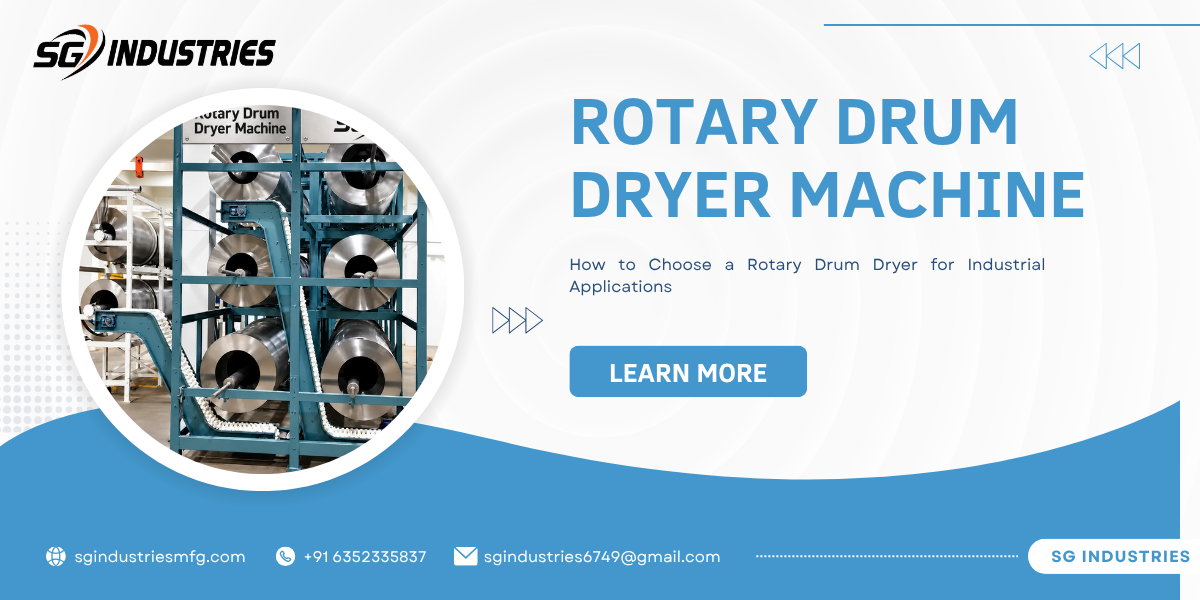
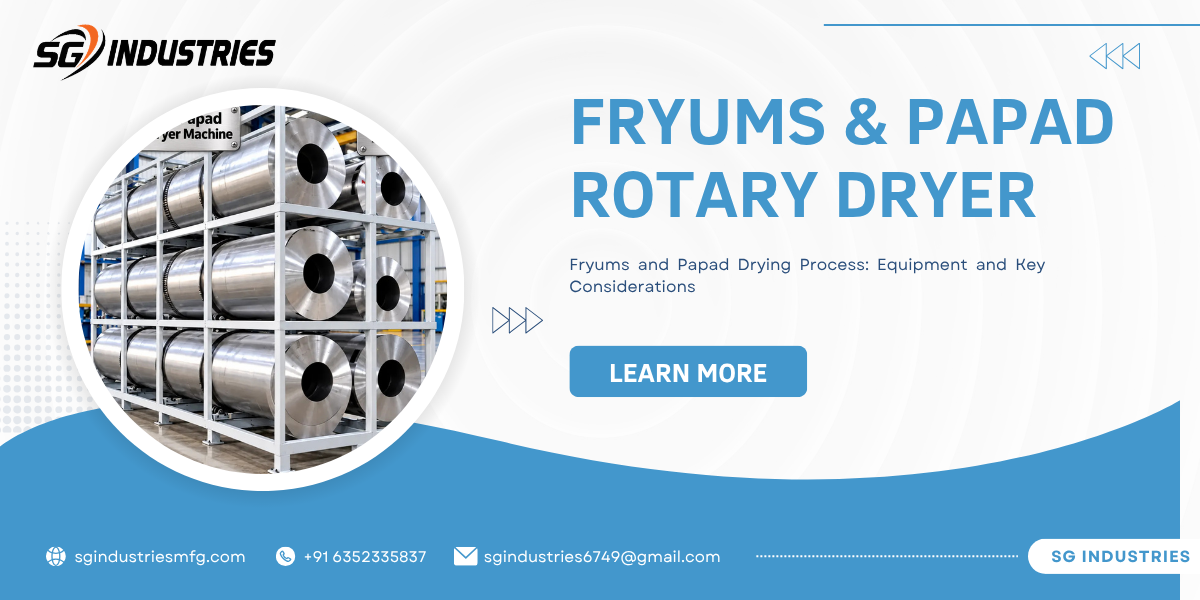
Where the process also involves moisture removal, a suitable rotary drum dryer may be relevant, depending on the material and drying requirements. Drying and screening are separate operations and should not be treated as interchangeable.
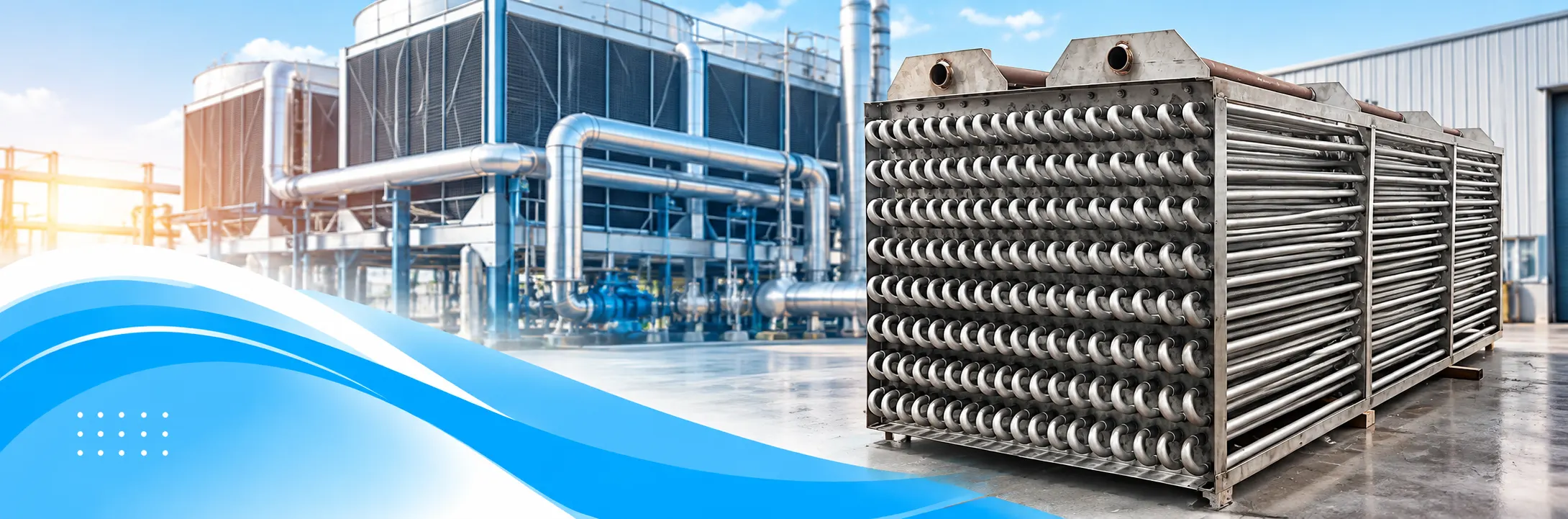
For processes that require indirect heat transfer, an industrial heat exchanger may be worth evaluating as part of the wider system design. If a process requires a separate source of hot air, an industrial hot air generator may also be relevant, subject to compatibility and technical requirements.
Each machine should be evaluated according to its specific role, verified specifications and the overall process layout.
How to Maintain Screening Performance
Inspect screening components regularly for wear, damage, blockage and incorrect installation. Follow the manufacturer’s instructions for cleaning, inspection, screen replacement and routine maintenance.
Material buildup or a damaged screen can affect separation results. If performance changes unexpectedly, review the material condition, feed rate, screen condition and operating settings before making adjustments.
Always follow approved isolation and safety procedures before cleaning or servicing the machine. Maintenance should be performed by appropriately trained personnel.
Choosing the Right Screening Equipment
Before requesting a quotation, prepare details about the material, desired particle-size range, expected throughput, operating environment and cleaning requirements. Ask the supplier to confirm the machine configuration, available screen options, installation needs and maintenance recommendations.
SG Industries MFG provides industrial processing equipment. Contact the company to confirm whether a suitable vibro sifter is available and request specifications for your particular application.
A suitable screening solution should meet the required separation objectives while fitting the facility’s production, maintenance and safety requirements.



 Users Today : 0
 Users This Month : 25
 Total Users : 87