





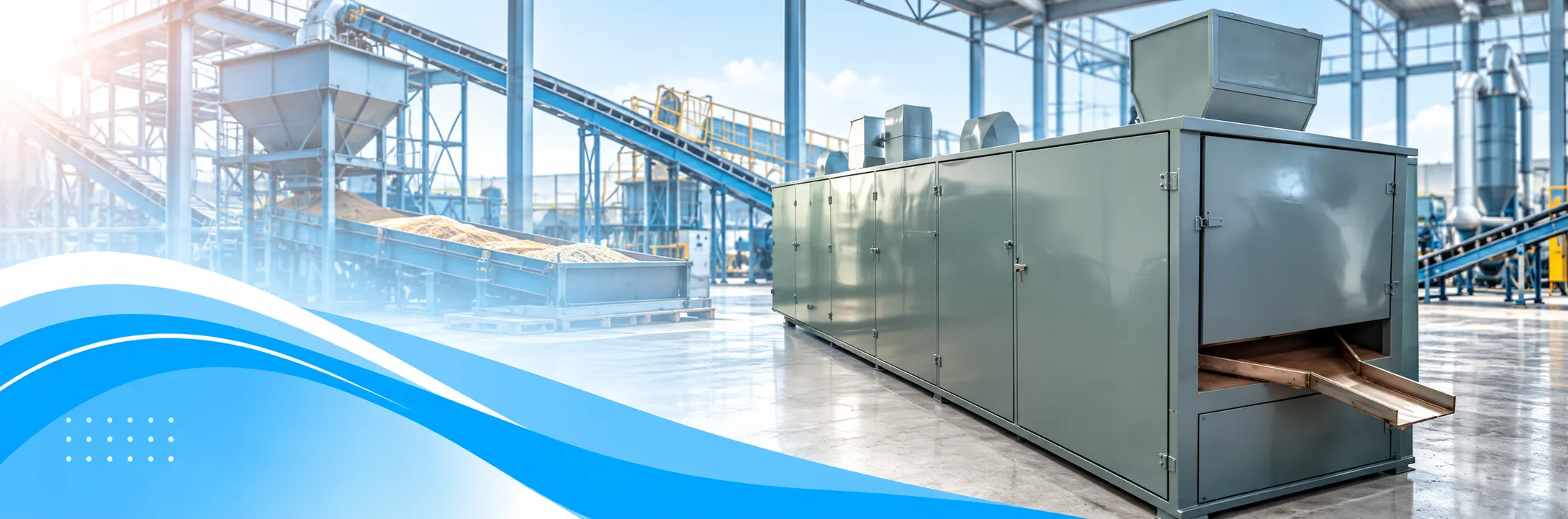
A Vibratory Feeder is equipment used to move and regulate the flow of suitable materials from one point to another. Vibratory movement helps materials travel along a feeding surface, supporting material transfer within a production or processing line.
Selecting suitable feeding equipment requires an understanding of the material, the required feed rate and the equipment connected before and after the feeder. These factors help determine whether a particular feeder design is appropriate for the application.
What Is a Vibratory Feeder?
A vibratory feeder uses vibration to move material along a designated feeding path. Depending on its design, it may be used to deliver material to processing equipment, screening systems, conveyors or other stages of a production line.
Feeder design and performance vary according to material properties, equipment configuration and operating requirements. The proposed model should therefore be evaluated using its documented specifications and the intended application.
Common Applications of Vibratory Feeders
1. Manufacturing and Production Lines
Manufacturing facilities may use feeding equipment to transfer components or raw materials between production stages. The feeder should suit the material dimensions, required movement and layout of the connected equipment.
2. Bulk Material Handling
Some industrial processes involve transferring powders, granules or other suitable bulk materials. Material flow characteristics, moisture, particle size and handling requirements should be assessed before selecting a feeder.
3. Screening and Processing Systems
A feeder may supply material to screening or processing equipment at a controlled rate. The required feed rate should be compatible with the capacity and operating conditions of the receiving machine.
These are general application examples. Actual suitability depends on the feeder design and material being handled.
How to Choose the Right Vibratory Feeder
Material Characteristics
Identify the material’s size, shape, weight, flow behaviour and moisture condition. Materials with different characteristics may require different feeding arrangements, so provide the supplier with accurate material details.
Required Feed Rate
Estimate the amount of material that must be delivered over a defined period. Ask the supplier for documented feed-rate information and confirm whether it applies to your material and operating conditions.
Feeding Distance and Layout
Consider the required transfer distance, elevation, available installation space and the position of connected equipment. The feeder should fit the production layout and allow safe access for inspection and maintenance.
Equipment Compatibility
Check how the feeder will connect with upstream storage or supply equipment and downstream processing machinery. Feeding performance should be assessed as part of the complete system rather than in isolation.
Maintenance and Safety
Ask about routine inspections, cleaning, wear parts, electrical requirements and operating procedures. Follow the manufacturer’s instructions and applicable workplace safety requirements during operation and maintenance.
Vibratory Feeder vs Vibro Sifter
A vibratory feeder and a vibro sifter both use vibration, but they perform different functions. A feeder moves or regulates material flow, while a sifter separates material according to particle size.
Where particle separation is required, a suitable vibro sifter may be considered as a separate stage of the process. The two machines should be selected according to the actual production requirements.
For material movement over a longer route, an industrial conveyor system may also be relevant, provided its design matches the material and handling conditions. A conveyor transports material along its route, whereas a feeder is generally used to control or deliver material to a particular stage.
Integrating Feeding Equipment With the Production Process
Feeding equipment should be selected with the full production workflow in mind. The material supply, feeder, receiving machine and any subsequent processing stages need to operate in a compatible arrangement.
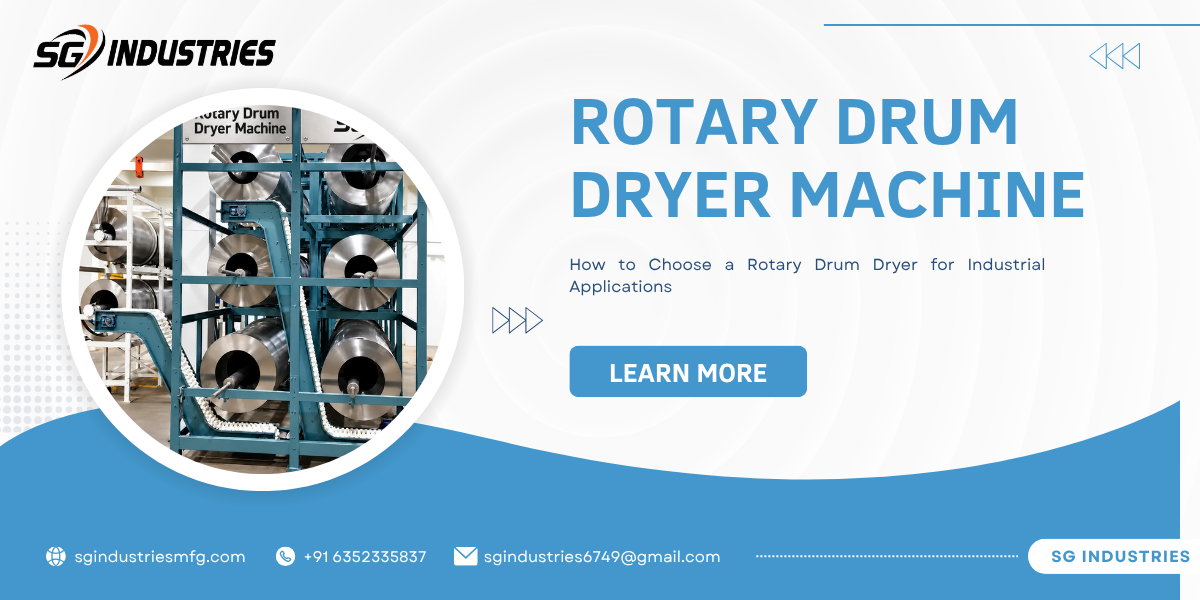
If the process includes drying, a suitable rotary drum dryer may be relevant where its design matches the material and process. For applications requiring indirect heat transfer, an industrial heat exchanger may also be evaluated as separate process equipment.
These systems serve different purposes and should not be treated as standard components of every feeding installation. Their inclusion depends on the specific process design.
Maintaining Consistent Feeding Performance
Inspect the feeding surface, mounting arrangement and relevant components according to the manufacturer’s maintenance schedule. Material buildup, worn components or changes in material characteristics may affect feeding behaviour.
If the feed rate becomes inconsistent, review the material supply, operating settings and condition of the equipment before making adjustments. Maintenance should be performed by trained personnel using the required isolation and safety procedures.
Choosing Suitable Feeding Equipment
Before requesting a quotation, prepare details about the material, target feed rate, transfer distance, operating environment and connected equipment. Ask the supplier to confirm the proposed feeder’s specifications, installation requirements and maintenance needs.
SG Industries MFG provides industrial processing equipment. Contact the company to confirm the availability of a suitable vibratory feeder and request technical specifications for your application.
The right feeding solution should match the material-handling task, fit the production layout and operate within its documented design limits.


 Users Today : 0
 Users This Month : 32
 Total Users : 94