





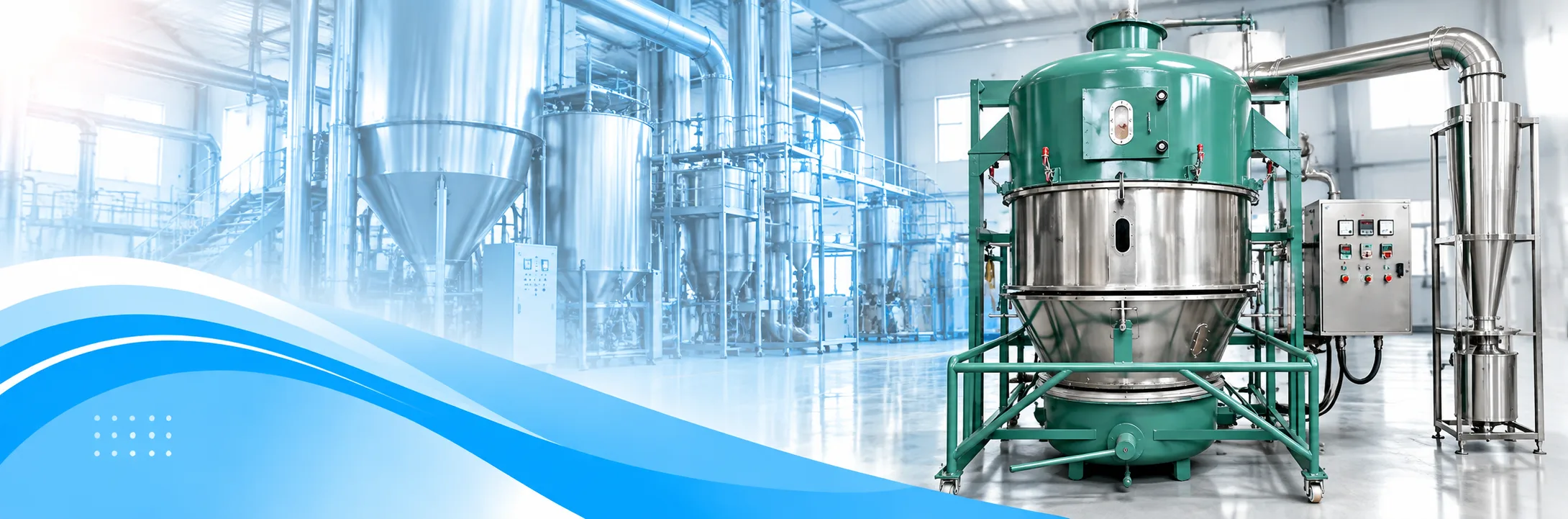
A Fluid Dryer is industrial drying equipment used to remove moisture from suitable materials. The drying method and equipment configuration depend on the material being processed, its initial moisture content and the required final condition.
Before selecting a drying system, manufacturers should evaluate the characteristics of the material, the production requirements and the operating conditions. A suitable system must match the actual process rather than relying on general equipment descriptions.
What Is a Fluid Dryer?
The term fluid dryer can refer to different drying arrangements depending on the equipment design. In fluidized-bed drying, for example, a controlled stream of gas passes through a bed of suitable particles, creating fluid-like movement under appropriate operating conditions.
Not every industrial dryer uses this mechanism. Therefore, buyers should confirm the exact drying technology, construction and operating principle of the proposed machine before making a purchasing decision.
How Does Fluidized-Bed Drying Work?
In a fluidized-bed system, a gas stream passes through a bed of suitable solid particles. Under the correct conditions, the particles become suspended and move within the drying chamber, allowing heat and mass transfer to support moisture removal.
The process depends on factors such as particle size, material density, airflow, temperature and moisture content. Materials that do not behave appropriately under the operating conditions may require a different drying arrangement.
Actual operating parameters should be established using the material requirements, equipment documentation and appropriate process testing.
Potential Industrial Applications
1. Chemical and Powder Processing
Some suitable chemical materials and powders may be processed using fluidized-bed drying. Material compatibility, temperature sensitivity, dust characteristics and safety requirements must be evaluated before selecting equipment.
2. Pharmaceutical and Related Processing
Certain pharmaceutical materials may require carefully controlled drying conditions. Equipment selection must account for the intended application, cleaning requirements, contamination control and applicable regulatory standards.
3. Granule Processing
Suitable granules may be dried using equipment designed for their particle characteristics and process requirements. The supplier should confirm whether the proposed machine can handle the intended material without compromising the required product condition.
These are potential application categories, not a guarantee that a particular dryer is suitable for every material within them.
Factors to Consider When Selecting a Fluid Dryer
Material Characteristics
Identify the material’s particle size, shape, density, moisture content and sensitivity to temperature. These characteristics help determine whether the proposed drying method is suitable.
Required Drying Result
Define the initial moisture condition and the required final moisture level. The drying target should be based on the process specification and verified through appropriate testing where necessary.
Production Capacity
Estimate the required material throughput and operating schedule. Request documented capacity information for the proposed equipment and confirm the conditions under which the stated capacity applies.
Temperature and Airflow
Temperature and airflow affect drying behaviour and product characteristics. The appropriate operating range depends on the material, equipment design and process requirements.
Cleaning and Maintenance
Review the equipment’s access points, cleaning procedures, inspection requirements and replacement parts. Applications with specific hygiene or contamination-control needs may require additional documentation and design considerations.
Safety and Installation
Confirm the utility requirements, installation space, ventilation and any material-specific hazards. Equipment should be selected, installed and operated according to the manufacturer’s instructions and applicable safety requirements.
Fluid Dryer Compared With Other Drying Equipment
Different dryer designs are intended for different materials and operating conditions. A fluidized-bed dryer may suit certain particulate materials, while other drying arrangements may be more appropriate for different product forms or production workflows.
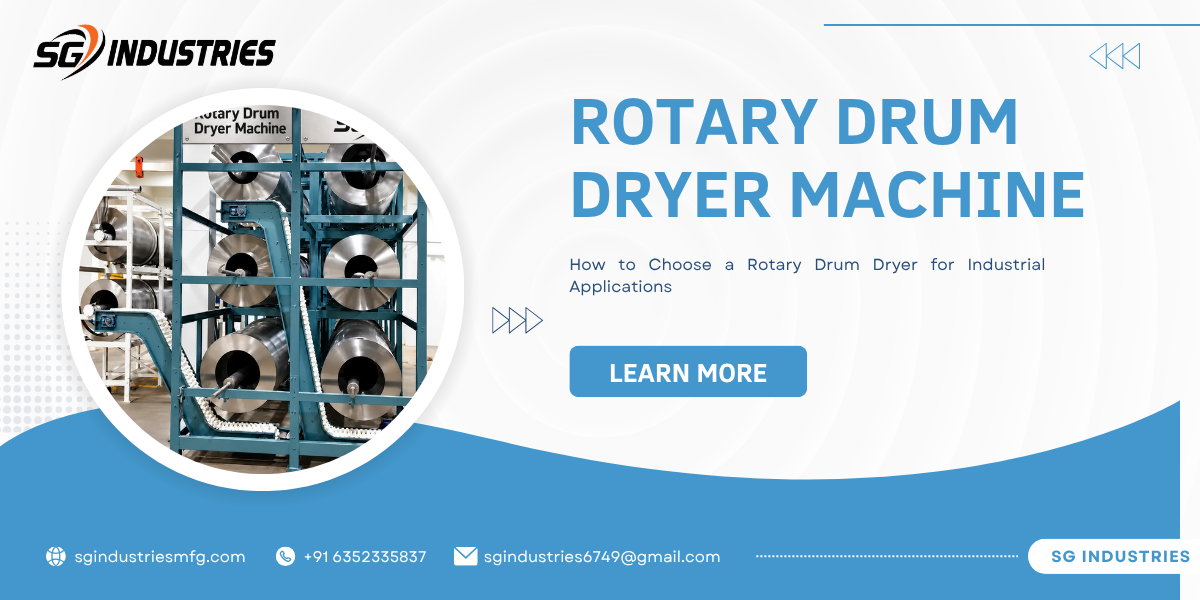
For comparison, an appropriate rotary drum dryer may be considered when its design matches the material and drying requirements. The two systems should not be treated as interchangeable without evaluating their operating principles and suitability.
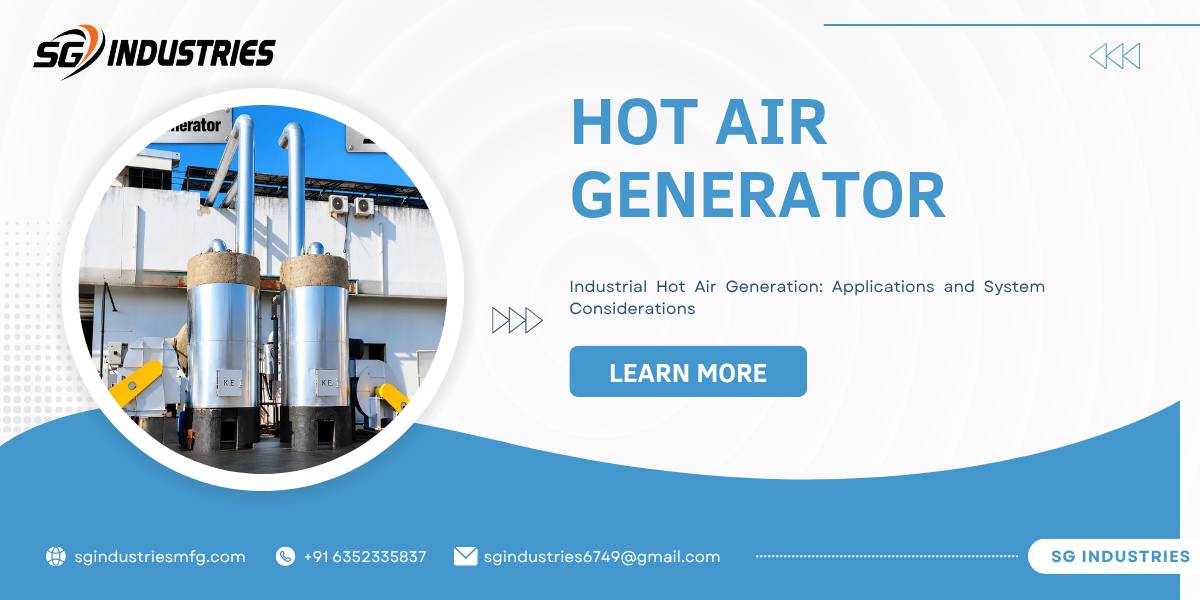
Where a drying process requires a separate hot-air source, an industrial hot air generator may also be relevant, depending on the system design and compatibility of the equipment.
For processes that involve indirect heat transfer, an industrial heat exchanger may serve a different role within the wider installation. Similarly, a thermic fluid heating system may be relevant to certain industrial heating requirements.
These related products perform different functions. Their suitability must be confirmed through the actual process design and technical specifications.
Maintaining Drying Performance
Follow the equipment manufacturer’s instructions for routine inspection, cleaning and maintenance. Monitor the process according to established operating procedures and investigate unexpected changes in drying performance.
Material buildup, changes in feed characteristics or unsuitable operating conditions may affect results. Any adjustments should be made by trained personnel following the approved procedures.
Where combustible dust or other material hazards may be present, a qualified professional should assess the associated risks and required protective measures before the equipment is operated.
Choosing the Right Fluid Dryer
Before requesting a quotation, prepare information about the material, initial and target moisture levels, required throughput, temperature limits, operating schedule and installation conditions.
Ask the supplier to confirm the exact drying technology, machine specifications, process compatibility, cleaning requirements and maintenance recommendations. Avoid choosing equipment solely on the basis of a product name or a general capacity statement.
SG Industries MFG provides industrial processing equipment. Contact the company to confirm whether a suitable fluid dryer is available and request verified specifications for your application.
A suitable drying system should match the material’s behaviour, the required drying result and the operating requirements of the production facility.


 Users Today : 0
 Users This Month : 32
 Total Users : 94