



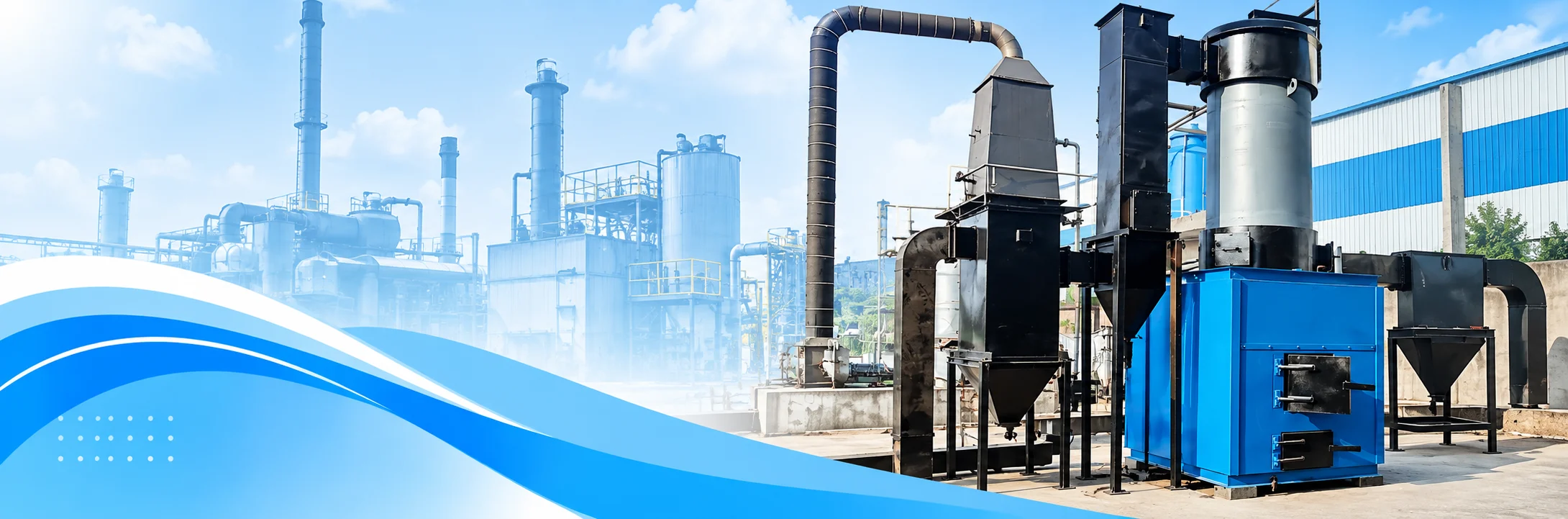
An Industrial Boiler is used to generate steam or provide heat for processes that require a suitable thermal energy source. Its role depends on the boiler design and the needs of the facility, including the required steam conditions, heating demand and operating schedule.
Selecting boiler equipment involves more than comparing capacity ratings. Businesses should evaluate the process requirements, available fuel or energy source, installation conditions, operating costs and applicable safety regulations before choosing a system.
What Is an Industrial Boiler?
An industrial boiler is equipment designed to produce steam or hot water by transferring heat to water within a purpose-built system. The exact arrangement depends on the boiler type and its intended application.
Industrial facilities may use boiler-generated steam for process heating, equipment operation or other approved applications. The system must be selected and operated according to its documented design limits and the requirements of the process it serves.
Common Applications of Industrial Boilers
1. Manufacturing Processes
Some manufacturing operations use steam or heat during production. The required boiler arrangement depends on the process, operating temperature, pressure requirements and the amount of thermal energy needed.
2. Food and Processing Facilities
Certain food-processing operations use steam for specific production or cleaning tasks. Equipment selection should account for the intended use, hygiene requirements, relevant regulations and the quality requirements of the process.
3. Chemical and Industrial Processing
Some chemical and industrial processes require a controlled source of steam or heat. Before selecting a boiler, businesses should assess the process conditions, operating schedule and compatibility of the proposed system with the facility.
These are potential applications, not a guarantee that every boiler model is suitable for every industry.
Factors to Consider When Selecting an Industrial Boiler
Required Capacity
Estimate the steam or heating demand of the process, including expected variations during operation. The selected capacity should be based on an appropriate engineering assessment rather than an approximate guess.
Fuel and Energy Availability
Evaluate the available fuel or energy source, supply reliability, operating costs and relevant environmental requirements. Confirm which fuel types the proposed boiler is designed and approved to use.
Operating Pressure and Temperature
Identify the process pressure and temperature requirements. The boiler and its associated equipment must be designed for the intended operating conditions and used within the manufacturer’s specified limits.
Installation Requirements
Review the available space, ventilation, utility connections, access for inspection and maintenance, and any required supporting equipment. Installation should be planned by qualified professionals in accordance with applicable codes and regulations.
Maintenance and Safety
Ask about inspection schedules, water treatment where applicable, control systems, protective devices and required operator training. Boilers are pressure-related equipment and must be operated, inspected and maintained under the applicable safety requirements.
Industrial Boiler vs Thermic Fluid Heater
Boilers and thermic fluid heaters serve different heating needs. A boiler heats water to produce steam or hot water, depending on its design. A thermic fluid heater heats a circulating thermal fluid that transfers heat to the process.
The right option depends on the process temperature, heat-transfer method, utility requirements, operating conditions and overall system design. Businesses can review an industrial thermic fluid heating system when comparing suitable heating approaches.
For processes involving steam-based heat transfer, a steam heat exchanger may also be relevant as part of the wider installation. It does not replace the boiler itself; its purpose and suitability depend on the complete process design.
Understanding Heat Transfer Requirements
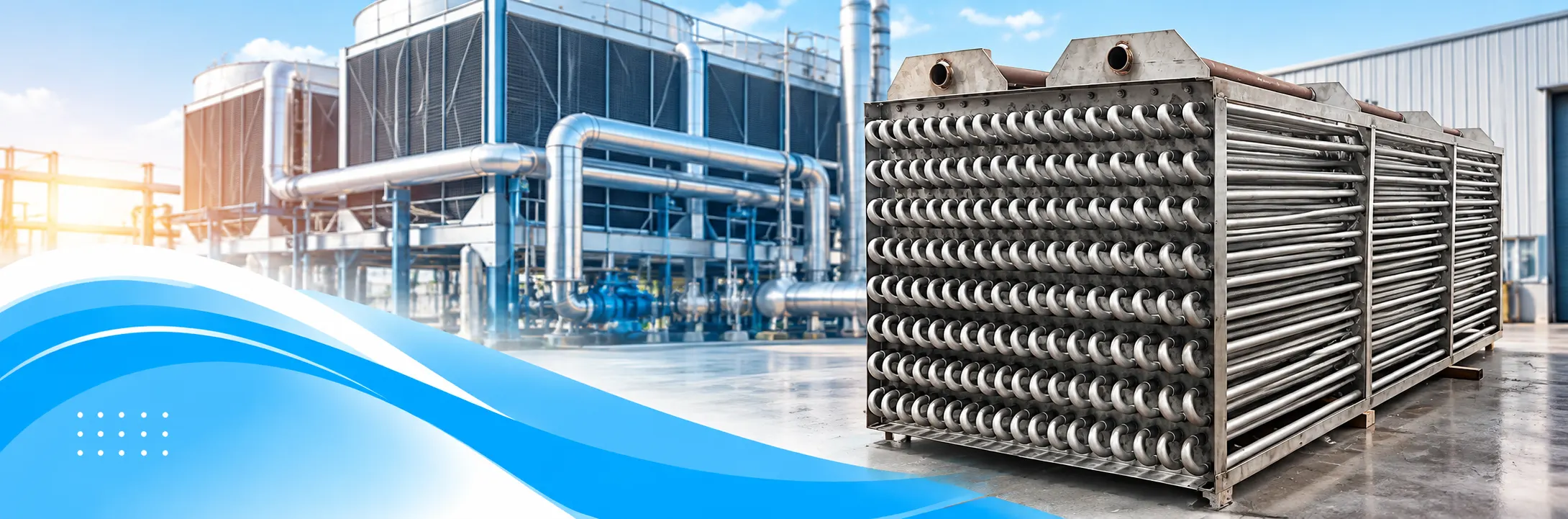
Industrial heating systems often include equipment that transfers heat between different fluids or process streams. A suitable industrial heat exchanger may be considered where indirect heat transfer is required.
The system should be designed as a whole. Boiler capacity, connected equipment, piping, controls and process demand must be evaluated together by qualified professionals to ensure that the installation meets the intended requirements.
Safe Operation and Routine Maintenance
Follow the boiler manufacturer’s operating instructions and the applicable inspection and maintenance requirements. Operators should receive appropriate training and understand the approved procedures for normal operation, shutdown and emergency situations.
Never bypass protective devices or operate equipment outside its documented limits. Maintenance and inspections should be performed by appropriately qualified personnel, with the required isolation and safety procedures in place.
Choosing the Right Industrial Boiler
Before requesting a quotation, prepare details about the required steam or heating load, operating conditions, available energy source, working schedule and installation site. Ask the supplier for documented specifications, applicable approvals, maintenance requirements and any site preparation needed.
SG Industries MFG provides industrial equipment for process applications. Contact the company to confirm whether a suitable boiler is available and request verified specifications for your requirements.
The right boiler selection is based on the facility’s actual demand, the equipment’s documented capabilities and safe operation throughout its working life.

 Users Today : 0
 Users This Month : 25
 Total Users : 87