





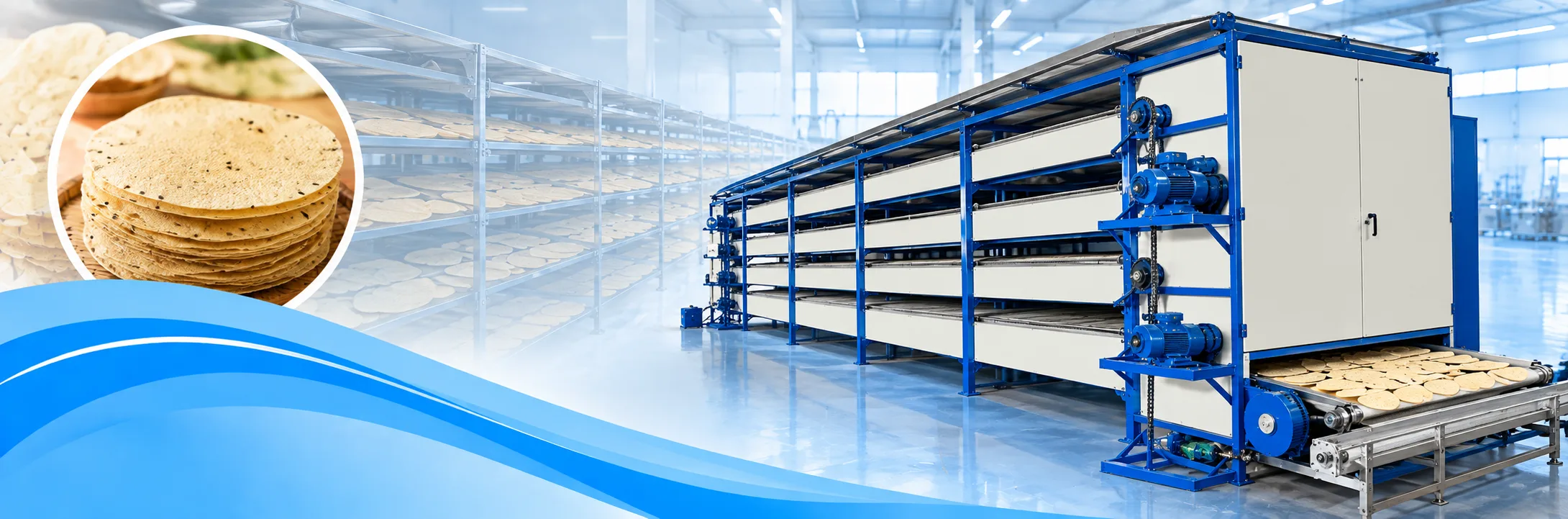
A Papad Drying Machine is used to support moisture removal during papad production. Drying is an important stage because the final condition of the product depends on factors such as the papad formulation, thickness, moisture content and drying conditions.
For papad manufacturers, choosing suitable drying equipment involves understanding the production process rather than focusing only on machine size. The equipment should match the product requirements, expected output and available production space.
Why Is Drying Important in Papad Production?
Papad preparation generally involves mixing ingredients, preparing dough, forming thin pieces and drying them before the next stage of handling or packaging. The exact process varies according to the recipe and manufacturing method.
Drying helps reduce moisture to the level required by the intended process. Inconsistent drying may affect product handling and final quality, so manufacturers should establish appropriate operating conditions for their specific product.
How to Select a Papad Drying Machine
1. Consider the Papad Size and Thickness
Papad dimensions and thickness influence how moisture moves out of the product during drying. Manufacturers should evaluate the range of products they intend to make and confirm that the proposed equipment can accommodate them.
2. Estimate Production Requirements
Determine the quantity of papad required per batch or operating period. The production target should be considered alongside the drying time, loading method and available operating hours. Ask the supplier for documented capacity information for the proposed model.
3. Review Temperature and Airflow
Drying conditions need to suit the product. Temperature, airflow and exposure time can affect moisture removal and product characteristics. These parameters should be established through appropriate process testing and supplier guidance rather than assumed to be the same for every papad variety.
4. Evaluate Space and Material Handling
Consider where the machine will be installed and how papad will move into and out of the drying area. Allow sufficient room for loading, unloading, cleaning, inspection and safe operator access.
5. Check Cleaning and Maintenance Needs
Food-processing equipment should be assessed for ease of cleaning and suitability for the intended working environment. Ask about routine inspection, maintenance access and the manufacturer’s recommended cleaning procedures.
Batch Drying and Continuous Drying
Different drying arrangements may suit different production volumes and workflows. Batch-based drying allows products to be handled in defined quantities, while continuous arrangements are designed around ongoing material movement.
A suitable continuous fryums drying system may be worth discussing with a supplier when evaluating related snack-drying equipment. However, a system designed for fryums should not automatically be assumed suitable for papad. Product compatibility and machine specifications must be confirmed first.
Planning the Drying Process
Before selecting equipment, document the product type, dimensions, initial moisture condition, desired final condition and expected production volume. These details help the supplier assess the drying arrangement and identify any testing required before installation.
Manufacturers should also consider the surrounding workflow, including preparation, product transfer, cooling where applicable, inspection and packaging. Coordinating these stages can make production planning more practical.
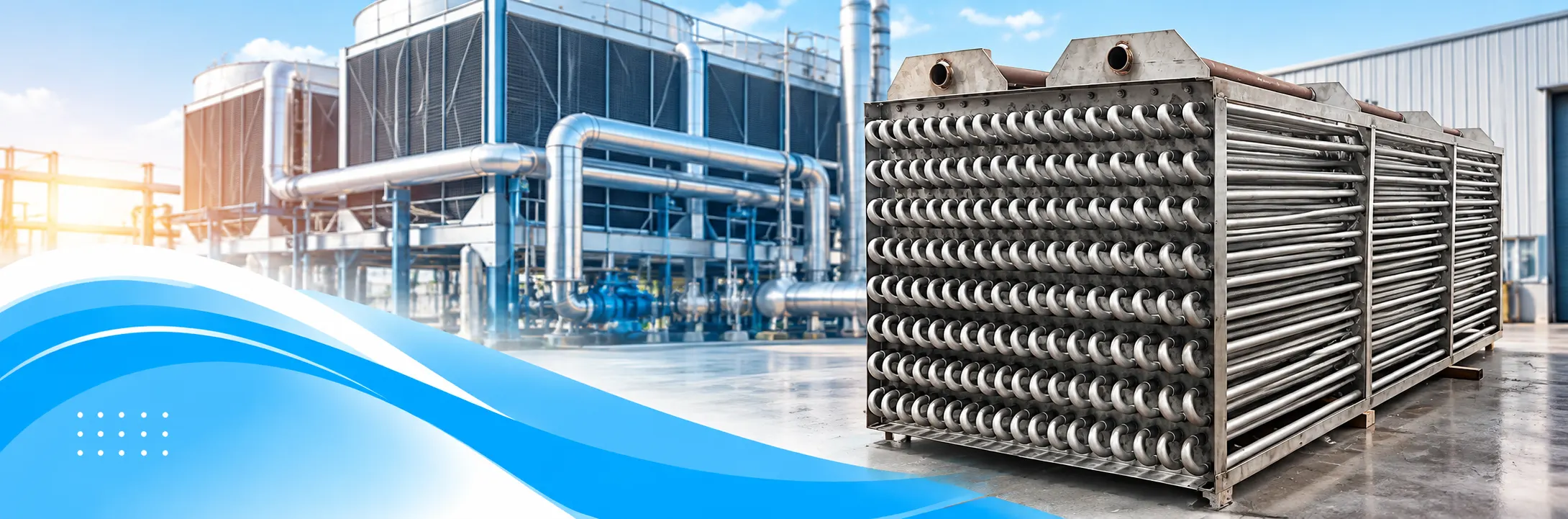
If the process requires a separate heat source, an industrial hot air generator may be relevant to the overall setup, depending on the proposed system design. Its compatibility with the drying equipment must be verified.
Maintaining Product Quality During Drying
Consistent results depend on suitable process settings, product handling and equipment operation. Manufacturers should monitor the drying conditions and inspect the finished product according to their established quality requirements.
Follow the equipment manufacturer’s instructions for operation, cleaning and maintenance. Operators should receive appropriate training and use the required safety measures when working with heating equipment or moving machinery.
Choosing Suitable Papad Drying Equipment
A practical selection process starts with the product and production requirements. Confirm the machine’s capacity, operating range, installation needs, maintenance procedures and suitability for the intended papad variety before placing an order.
SG Industries MFG provides industrial processing equipment. Contact the company to confirm whether it offers a papad drying solution and request the technical specifications relevant to your production process.
The right drying arrangement should be chosen on the basis of verified product compatibility, documented equipment capabilities and the operating requirements of the manufacturing facility.




 Users Today : 0
 Users This Month : 25
 Total Users : 87